
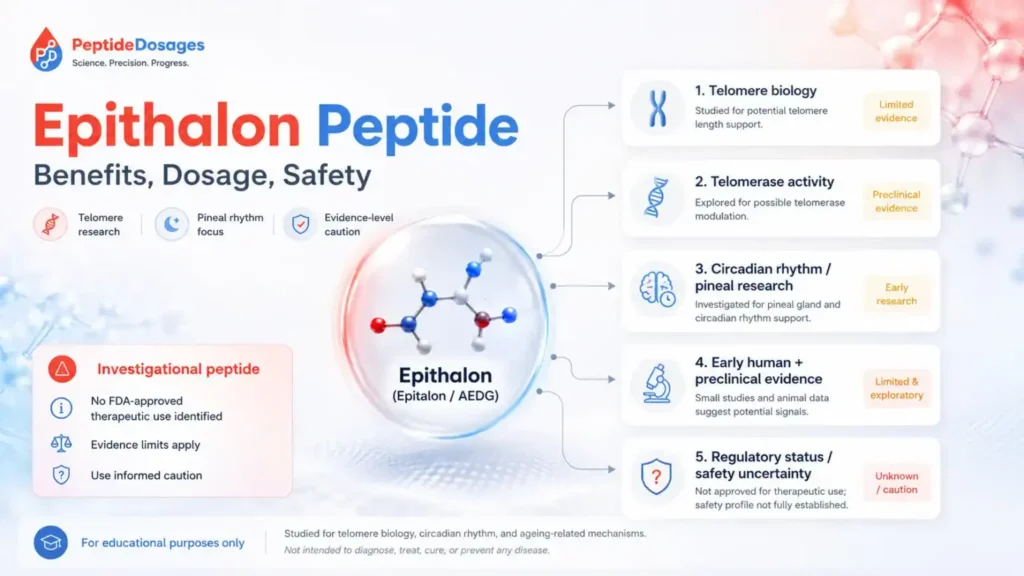
Epithalon peptide is a synthetic tetrapeptide also described in the literature as Epitalon, AEDG, or Ala-Glu-Asp-Gly 1 2. This educational article reviews what researchers have studied, what remains uncertain, and why dosage, administration, safety, and regulatory status should be interpreted through clinical evidence rather than online longevity claims.
- Epithalon is a four-amino-acid peptide with the sequence Ala-Glu-Asp-Gly and molecular formula C14H22N4O9 1.
- Epithalon is mainly discussed for telomere, telomerase, pineal gland, melatonin, circadian rhythm, ageing, and longevity research 2.
- The strongest mechanistic evidence involves cell and animal research, including telomerase activity and telomere length findings in human cell lines 3 4 5.
- Human evidence exists, but it is limited, regionally concentrated, and not strong enough to establish Epithalon as a general longevity or sleep treatment 7 9.
- Epithalon has no FDA-approved orphan indication for retinitis pigmentosa, despite a prior orphan-drug designation record for Epitalon 13.
- FDA has identified safety concerns for compounded Epitalon, including possible immunogenicity from aggregation and peptide-related impurities 14.
- Dosage information should be read as study context only; no FDA-approved Epithalon peptide dosing label exists for personal medical use 13 16.
Related dosage pages: For vial-specific concentration, reconstitution, and measurement examples, see Epitalon (Epithalon) (10 mg Vial) Dosage Protocol. Each linked protocol remains a separate reference because vial strength changes concentration and syringe-unit calculations.
Fast Answer
Epithalon peptide is a synthetic pineal tetrapeptide, also called Epitalon or AEDG, studied for telomere biology, telomerase activity, melatonin rhythm, and ageing-related mechanisms 1 2. Human evidence is limited, while much of the strongest biological work comes from in vitro and animal studies 4 5. Epithalon is not FDA-approved for an orphan indication, and FDA has flagged compounded Epitalon for potential safety risks 13 14.
Evidence basis note: This page prioritizes official regulator material, PubChem, NCBI resources, PubMed-indexed studies, and peer-reviewed reviews. Claims without reliable clinical support are treated as preliminary, preclinical, or unverified rather than as established treatment claims.
What Is the Epithalon Peptide?
Epithalon peptide is a short synthetic peptide made of four amino acids and commonly discussed as a pineal peptide bioregulator in ageing, telomere, and circadian rhythm research 1 2. The public literature more often uses the spelling “Epitalon,” while “Epithalon” remains a common alternate spelling.
Epithalon as a Synthetic Pineal Tetrapeptide
Epithalon is a synthetic tetrapeptide with the sequence alanine-glutamic acid-aspartic acid-glycine, often abbreviated Ala-Glu-Asp-Gly or AEDG 1. A 2025 review describes Epitalon, Epithalon, and Epithalone as names for the same AEDG tetrapeptide developed from research on Epithalamin, a bovine pineal gland extract 2.
What Is the Ala-Glu-Asp-Gly Sequence?
Ala-Glu-Asp-Gly refers to the peptide’s primary structure, meaning the order of its four amino acids 1. Because Epithalon is so small compared with larger proteins, much of the mechanistic discussion focuses on whether a short amino acid sequence can influence gene expression, chromatin behavior, telomerase reverse transcriptase, or pineal rhythm signals 2 6.
Why Is Epithalon Discussed in Longevity and Circadian-Rhythm Research?
Epithalon is discussed in longevity research because telomere length, telomerase activity, melatonin rhythm, and cellular senescence are all connected to ageing biology 3. That discussion should not be confused with proof that Epithalon extends human lifespan, since the human evidence is limited and not equivalent to large, independently replicated clinical trials 7 19.
Epithalon, Epitalon, and AEDG: Naming and Identity
Epithalon, Epitalon, Epithalone, AEDG peptide, and Ala-Glu-Asp-Gly peptide refer to closely overlapping naming conventions for the same short peptide identity in most scientific and commercial discussions 1 2. In published databases, “Epitalon” is often the preferred spelling.
Why Is Epitalon a Common Alternate Spelling?
Epitalon is the spelling used by PubChem and many PubMed-indexed publications 1 4. Epithalon appears in older literature titles and common search behavior, so a responsible article should connect both spellings without implying that they are different approved medicines 4.
AEDG Peptide, Tetrapeptide Epitalon, and Bioregulator Terminology
AEDG peptide is a sequence-based name, while “tetrapeptide Epitalon” describes its four-amino-acid structure 1. The term “peptide bioregulator” appears in literature connected to Vladimir Khavinson and colleagues, but it is a research framework rather than an FDA-approved therapeutic classification 2 20.
How Is Epithalon Thought to Work?
Epithalon is thought to work through proposed effects on telomerase activity, telomere length, gene expression, chromatin structure, pineal signaling, and melatonin rhythm, but these mechanisms are not equally proven in humans 2 4 6. Mechanism data should be read as biological plausibility, not a treatment guarantee.
What Is the Proposed Mechanism of Action?
The central proposed mechanism is telomerase activation, especially through hTERT-related activity in human somatic cell models 4. Telomerase is the enzyme system that can add telomeric DNA repeats to chromosome ends, and telomeres help preserve chromosomal stability during cell division 3.
How Gene Expression, Pineal Signaling, and Melatonin Pathways May Fit
A 2020 study reported that AEDG peptide influenced neurogenic differentiation gene expression and protein synthesis in human gingival mesenchymal stem cells 6. Separate pineal peptide studies reported changes in melatonin rhythm in elderly people and old monkeys, which is why Epithalon is often placed in a pineal gland and circadian rhythm context 7 8.
Why Mechanism Does Not Prove Clinical Benefit
A mechanism can explain why a peptide is worth studying, but a mechanism cannot establish that a peptide improves sleep, extends lifespan, treats disease, or prevents ageing in humans. Telomerase biology is especially complex because telomerase is involved in normal stem cell function but is also active in many cancers 18.
Telomeres, Telomerase Activity, and Longevity Claims
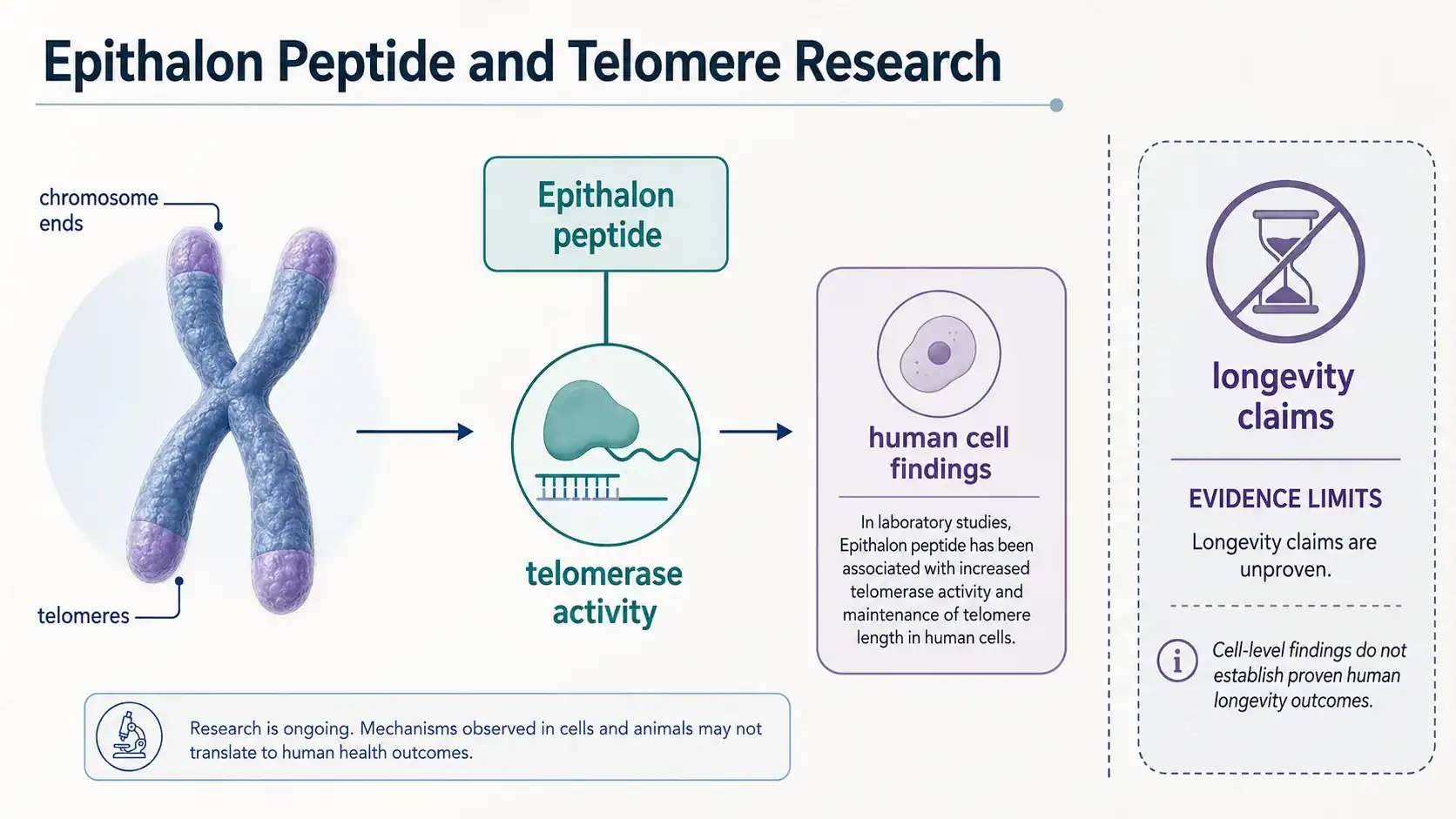
Epithalon’s longevity reputation comes largely from telomere and telomerase findings, but the leap from cell-level telomere effects to human longevity outcomes remains scientifically uncertain 3 4 5. The careful interpretation is that telomere biology is relevant to ageing, not that Epithalon is proven to slow human ageing.
What Are Telomeres and Telomere Length?
Telomeres are repeated DNA-protein structures at chromosome ends that help protect chromosomes during replication 3. NCBI’s telomere review explains that human telomeres are involved in cellular senescence and chromosomal integrity, with telomere shortening occurring across repeated cell divisions 3.
What Does “Increase Telomerase Activity” Mean?
Increasing telomerase activity means increasing the function of the enzyme complex that can extend telomeric repeats at chromosome ends 3. In 2003, Khavinson and colleagues reported that Epithalon induced telomerase activity and telomere elongation in human somatic cells, which remains one of the core mechanistic papers behind the peptide’s reputation 4.
How Longevity Claims Can Outpace Evidence
Longevity claims outpace evidence when animal lifespan, cell-culture telomere, or mechanistic gene-expression findings are presented as if they prove human anti-aging effects. A 2025 cell-line study reported telomere-length changes after Epitalon exposure, but that type of in vitro result cannot establish clinical outcomes in living humans 5.
What Is Epithalon Peptide Used For or Studied For?
Epithalon peptide has been studied for retinal degeneration, melatonin rhythm, telomere biology, chromatin behavior, gene expression, animal ageing models, and experimental carcinogenesis models 2 4 7 9. These are studied uses, not approved medical uses.
Circadian Rhythm and Sleep-Related Research
Epithalon is connected to sleep-related interest because pineal peptide studies reported changes in nighttime melatonin patterns and circadian hormone rhythm 7 8. FDA’s July 2026 Pharmacy Compounding Advisory Committee agenda lists Epitalon-related bulk drug substances for discussion with “insomnia” as the evaluated use, but that meeting does not mean Epitalon is FDA-approved for insomnia 15.
Ageing, Senescence, and Cellular Models
Epithalon has been studied in ageing and senescence models because telomeres, telomerase, gene expression, and cellular division limits are central topics in biological ageing research 3 4. The evidence is strongest for laboratory mechanisms and weaker for broad human longevity claims 4 5.
When Do Therapeutic Claims Become Research Questions?
Therapeutic claims become research questions when a proposed effect has not been confirmed by adequate human trials, approved labeling, or independent replication. For Epithalon, claims about longevity, sleep, immune function, cancer prevention, and retinal benefit should be presented as investigated or proposed effects unless supported by stronger clinical evidence 9 10 11.
Potential Benefits of Epithalon Peptide
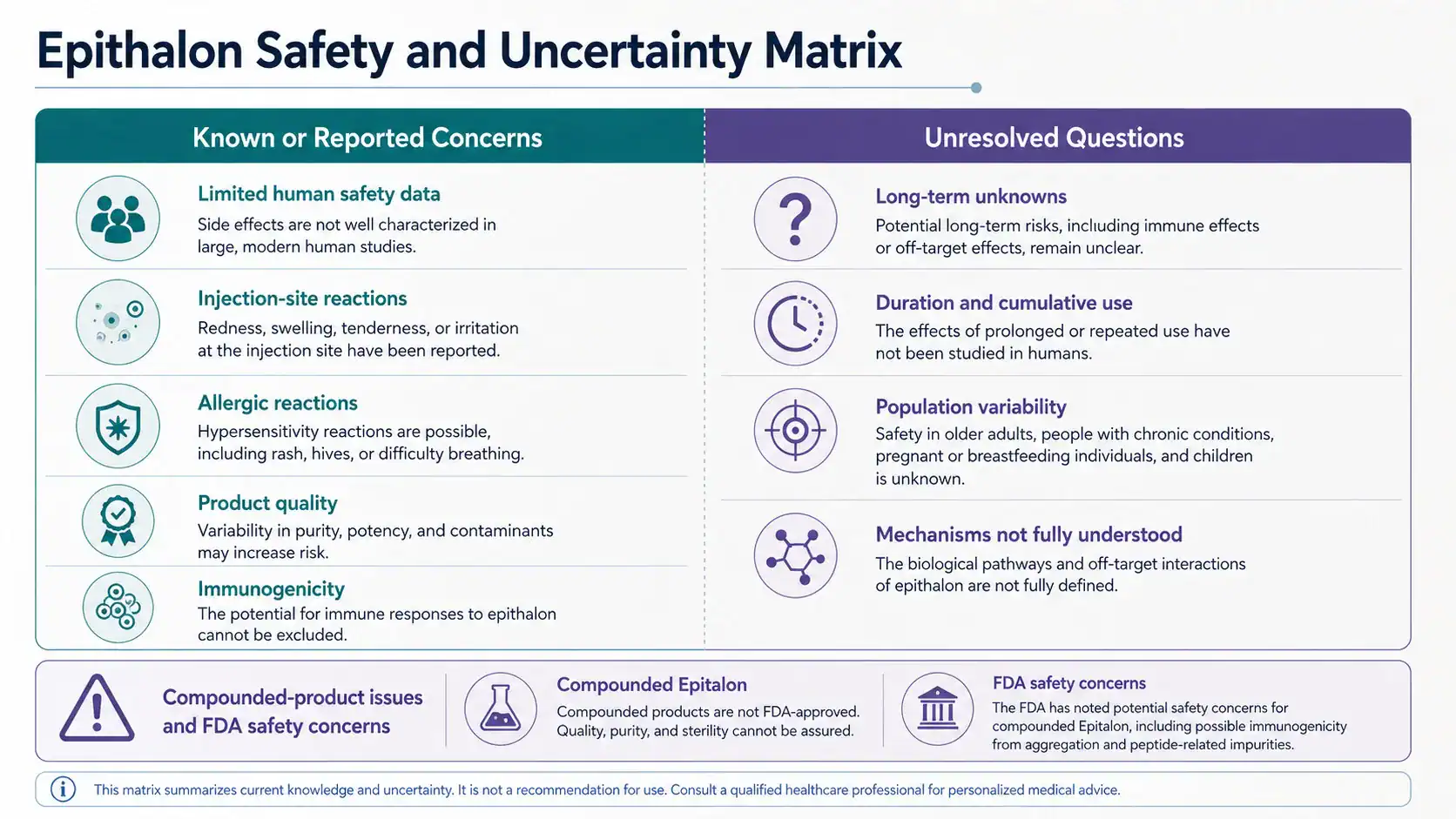
Potential benefits of Epithalon peptide are best grouped by evidence level: cell-level telomere effects, animal ageing and tumor-model findings, limited human circadian or retinal reports, and unsupported online claims 4 5 7 9. This evidence landscape is interesting, but not definitive.
| Evidence Area | What Has Been Studied | Evidence Level | What It Can and Cannot Show |
|---|---|---|---|
| Telomere biology | Human somatic cells and later human cell lines showed telomerase or telomere-length findings 4 5 | Preclinical / in vitro | Supports biological plausibility, not proven human longevity |
| Circadian rhythm | Old monkeys and elderly people were studied for melatonin rhythm changes 7 8 | Early human plus animal | Suggests pineal rhythm relevance, not approved insomnia treatment |
| Retina research | A retinitis pigmentosa clinical report and Campbell rat work were published 9 | Early human plus animal | Suggests retinal research interest, not confirmed standard care |
| Animal ageing and tumors | Mouse and rat models examined lifespan, tumors, metastases, and biomarkers 10 11 12 | Preclinical | Cannot prove human anti-cancer or anti-aging benefit |
| Compounded-use claims | FDA lists potential safety concerns for compounded Epitalon 14 | Regulatory safety context | Supports caution, not efficacy |
Full View
Telomere Length and Human Cell Findings
Epithalon’s most recognizable potential benefit is telomere-related, but the strongest evidence is cell-based. The 2003 paper reported telomerase activity and telomere elongation in human somatic cells, and a 2025 Biogerontology paper reported telomere-length effects in human cell lines through telomerase upregulation or alternative lengthening activity 4 5.
Pineal Gland, Melatonin, and Rhythm-Related Effects
Epithalon is discussed as a pineal peptide because Epitalon and Epithalamin studies reported effects on night melatonin and daily hormone rhythm in elderly people and old monkeys 7 8. This creates a plausible research lane for circadian rhythm and sleep, but it does not create an approved sleep indication 15.
Which Potential Benefits Remain Experimental?
Longevity extension, anti-aging, cancer prevention, immune restoration, cognitive protection, and broad sleep improvement remain experimental or unsupported as general human claims. Animal tumor and lifespan models are not enough to claim clinical benefit in people 10 11 12.
What Human Research Shows About Epithalon
Human research on Epithalon is limited and includes early reports in retinitis pigmentosa and pineal rhythm studies, while broader claims rely heavily on older regional literature and related Epithalamin data 7 9 19. The human evidence should be described as preliminary.
What Have Early Human Studies Reported?
A PubMed-indexed 2002 Neuro Endocrinology Letters report described Epitalon therapy in patients with degenerative retinal lesions and stated that a positive clinical effect occurred in 90% of cases 9. Because the report is older, small-context, and not equivalent to modern large randomized trials, it should be interpreted cautiously 9.
Treatment With Epitalon in Published Study Contexts
Treatment with Epitalon appears in published study contexts involving retina and pineal rhythm, not as a broadly approved therapy 7 9. Human publications on Epithalamin, the pineal extract related to Epitalon research, include mortality and geroprotective claims, but those studies should not be automatically transferred to synthetic Epithalon 19.
Why Study Design and Replication Matter
Study design matters because small trials, older trials, regional studies, non-standard endpoints, and limited independent replication can exaggerate confidence. For Epithalon, the gap between cell-level findings and human therapeutic conclusions is the central evidence limitation 4 5 7 9.
Preclinical and In Vitro Research on Epithalon
Preclinical and in vitro research is the strongest part of the Epithalon evidence base, covering telomerase activity, telomere length, gene expression, animal ageing markers, and tumor-model outcomes 4 5 6 10. Translation to human benefit remains uncertain.
Animal Lifespan and Ageing Models
Anisimov and colleagues studied Epitalon in female Swiss-derived SHR mice and reported that treatment did not change food intake, body weight, or mean lifespan, but did affect some ageing biomarkers and the last-survivor lifespan measures 10. Another rat study reported lifespan effects under natural and constant illumination conditions, linking the peptide to light exposure and ageing physiology in animals 12.
In Vitro Findings in Human Cells
In vitro studies provide direct mechanistic signals. Khavinson’s 2003 paper reported telomerase activity and telomere elongation in human somatic cells, while the 2025 Biogerontology study reported telomere-length effects in several human cell lines 4 5.
What Post-Ovulatory Aging-Related Models Can and Cannot Show
Post-ovulatory ageing and reproductive-cell models can test whether Epithalon affects laboratory markers of cellular ageing, but they cannot prove fertility, longevity, or systemic health outcomes in humans. The same caution applies to animal tumor and retina models 9 10 11.
Epithalon Peptide Dosage and Reconstitution Explained
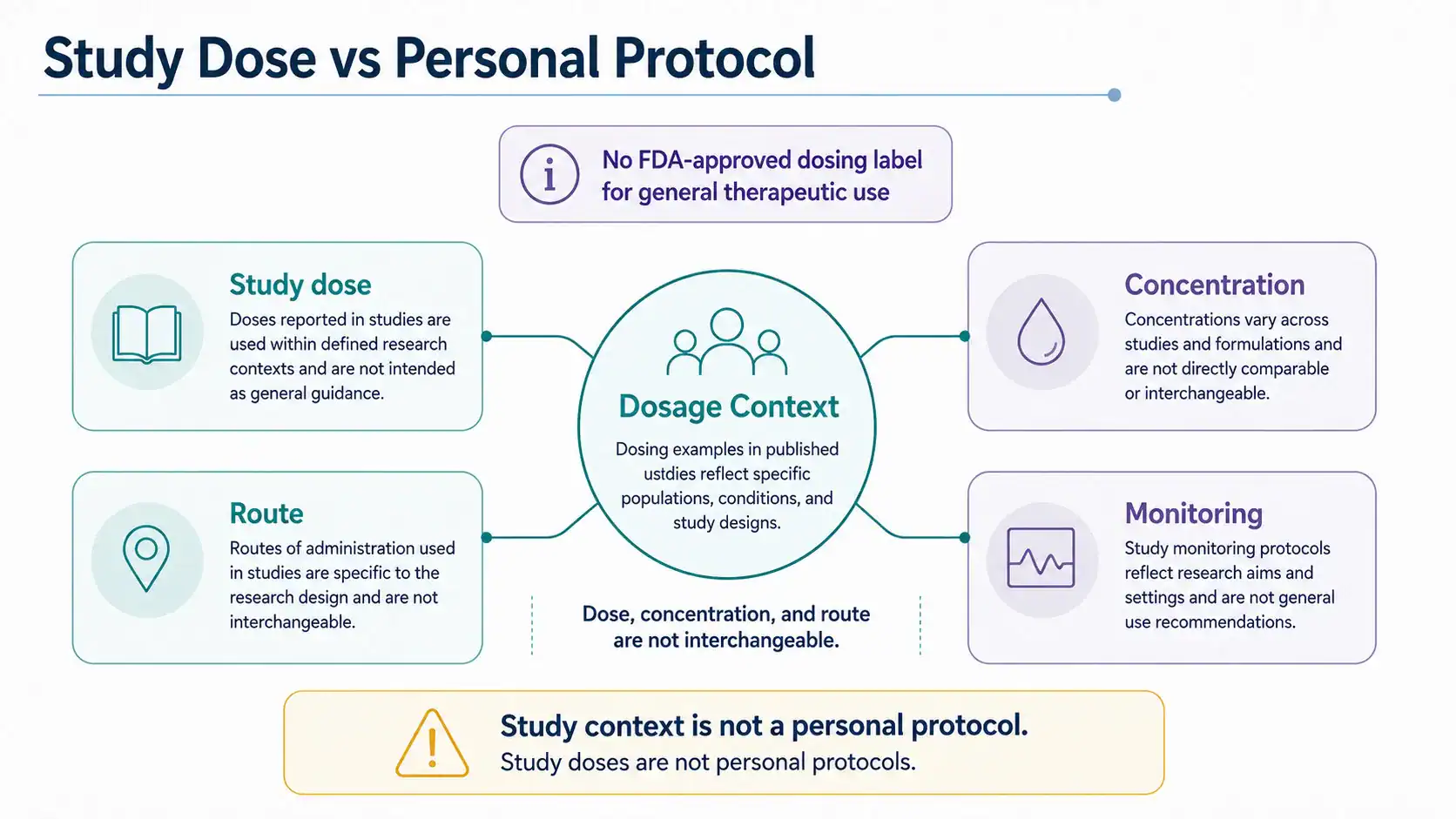
Epithalon peptide dosage has no FDA-approved dosing label, so dosage information should be limited to published-study context and not used as a personal protocol 13 16. Published animal, cell-culture, and early human reports use different routes, concentrations, and endpoints, making dose translation especially uncertain.
What Dosage Has Been Reported in Studies?
A mouse study reported subcutaneous Epitalon at 1.0 microgram per mouse, approximately 30 to 40 micrograms per kilogram, given on 5 consecutive days every month from age 3 months until natural death 10. A 2025 cell-line paper reported laboratory stock preparation and cell exposure methods, but cell-culture concentrations are not human dosing instructions 5.
How Dose, Concentration, and Route Differ
Dose is the amount administered, concentration is the amount per volume, and route is how the substance enters the body. A cell-culture stock solution, a parabulbar retinal study, and a subcutaneous animal experiment cannot be compared as if they were interchangeable human protocols 5 9 10.
Peptide Preparation, Freeze Drying, and Reconstitution Concepts
Peptide preparation often involves lyophilization, or freeze drying, a process FDA describes as removing water after freezing under vacuum, with later reconstitution meaning dissolving a dried product into a solvent or diluent 17. For educational math only, concentration is calculated as amount divided by volume, but this does not determine whether a product is appropriate, sterile, legal, or safe for personal use 16 17.
Why Study Doses Are Not Personal Protocols
Study doses are chosen for a specific model, endpoint, route, formulation, and monitoring plan. Because Epithalon lacks an FDA-approved dosing label and FDA has identified safety uncertainties for compounded Epitalon, readers should not treat study doses or online protocol ranges as individualized medical instructions 14 16.
How Is Epithalon Administration Discussed in Medical Literature?
Epithalon administration is discussed in the literature through experimental routes such as subcutaneous animal dosing, retinal or parabulbar study contexts, and pineal-rhythm investigations, not through an approved public dosing label 8 9 10. Route details matter because safety and exposure can differ sharply by route.
Subcutaneous, Intramuscular, and Intranasal Routes in Study Contexts
The clearest route details in accessible indexed sources include subcutaneous administration in animal work and retina-focused administration contexts in human and animal retinal research 9 10. Intranasal and intramuscular phrases appear in secondary discussions and search behavior, but robust, easily verifiable clinical dosing sources are limited.
Why Route and Frequency Require Medical Interpretation
Route and frequency require clinical interpretation because parenteral peptides raise sterility, immunogenicity, purity, dose-measurement, and monitoring questions. FDA states that compounded drugs are not FDA-approved and that FDA does not verify their safety, effectiveness, or quality before marketing 16.
Reported Side Effects and Safety Concerns
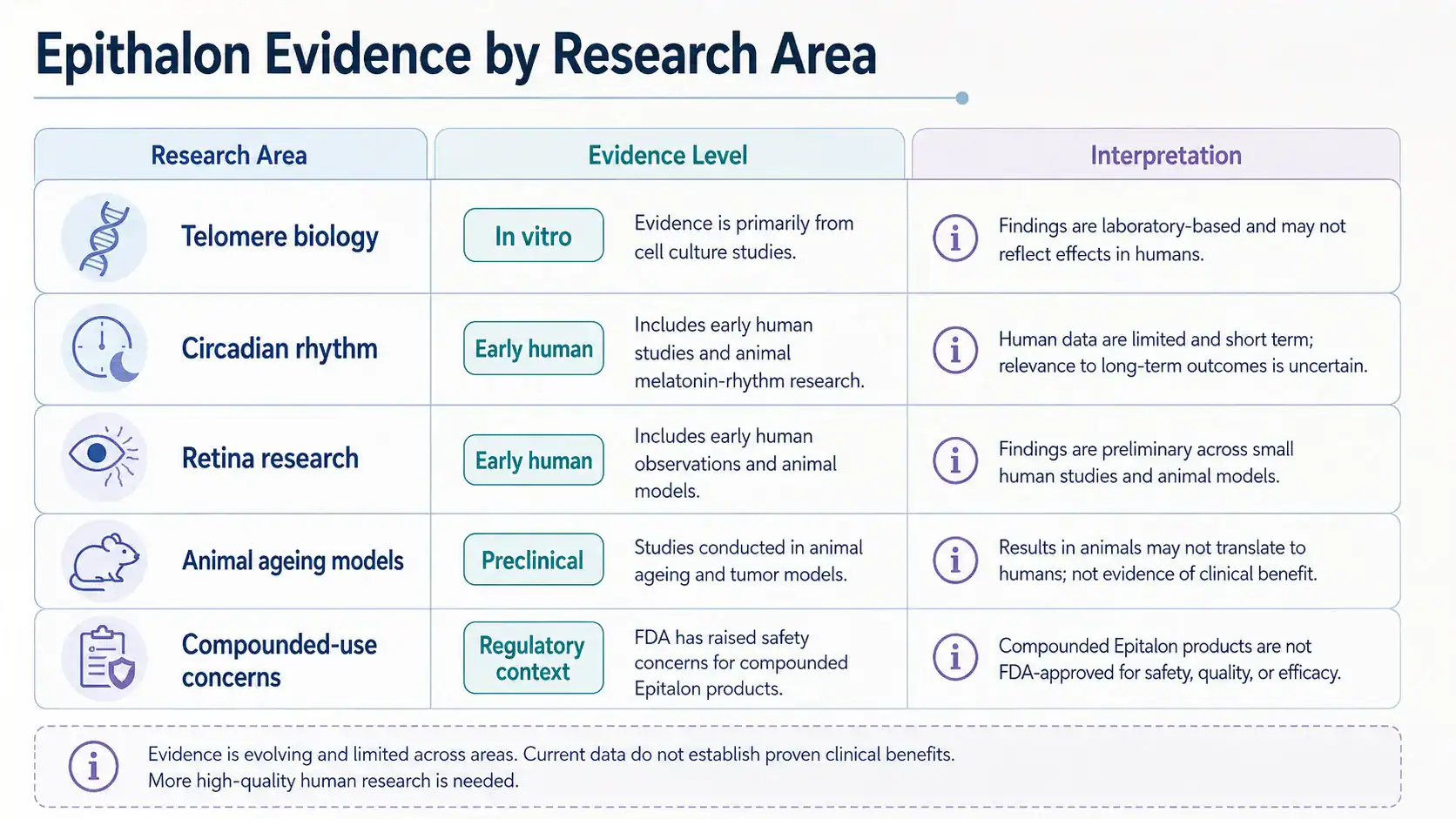
Reported side effects for Epithalon are not well characterized in modern, large human trials, which is itself a safety concern 14. The strongest safety signal for readers is regulatory uncertainty, limited human safety data, and possible risks from compounded peptide products.
What Side Effects Have Been Reported?
Older pineal peptide reports often describe tolerability, but they do not provide the kind of adverse-event database expected for approved drugs 7 9. FDA specifically states that it has not identified safety-related information regarding Epitalon for proposed routes of administration sufficient to know whether it would cause harm in humans 14.
Injection-Site Reactions, Allergic Reactions, and Unknown Risks
For injectable or parenteral peptides, general concerns include injection-site reactions, allergic reactions, contamination, potency variation, and immunogenicity. FDA’s Epitalon category notes cite potential immunogenicity from aggregation and peptide-related impurities, and FDA’s compounding materials warn that poor compounding can cause serious quality problems 14 16.
What Long-Term Safety Questions Remain?
Long-term safety questions include whether telomerase-related effects matter clinically, whether repeated exposure changes cancer-related risks, whether immune reactions occur, and whether compounded products vary in purity or potency. Telomerase is biologically relevant to cell survival and cancer biology, so simplistic “telomerase equals anti-aging” claims are not medically responsible 18.
Contraindications, Interactions, and Medical Supervision
Contraindications and interactions for Epithalon are not well established because there is no FDA-approved label with formal contraindication, interaction, pregnancy, breastfeeding, or special-population sections 13 16. That absence should be treated as missing information, not proof of safety.
Who Needs Extra Caution Before Considering Epithalon?
People with cancer history, immune disorders, pregnancy or breastfeeding, active endocrine disorders, sleep disorders requiring diagnosis, retinal disease, or multiple medications would need clinician-guided risk review before making peptide-related medical decisions. The reason is simple: Epithalon’s clinical safety, interaction profile, and long-term human outcomes remain inadequately defined 14 16 18.
FDA, Compounded Peptide, and Regulatory Status of Epithalon Peptide
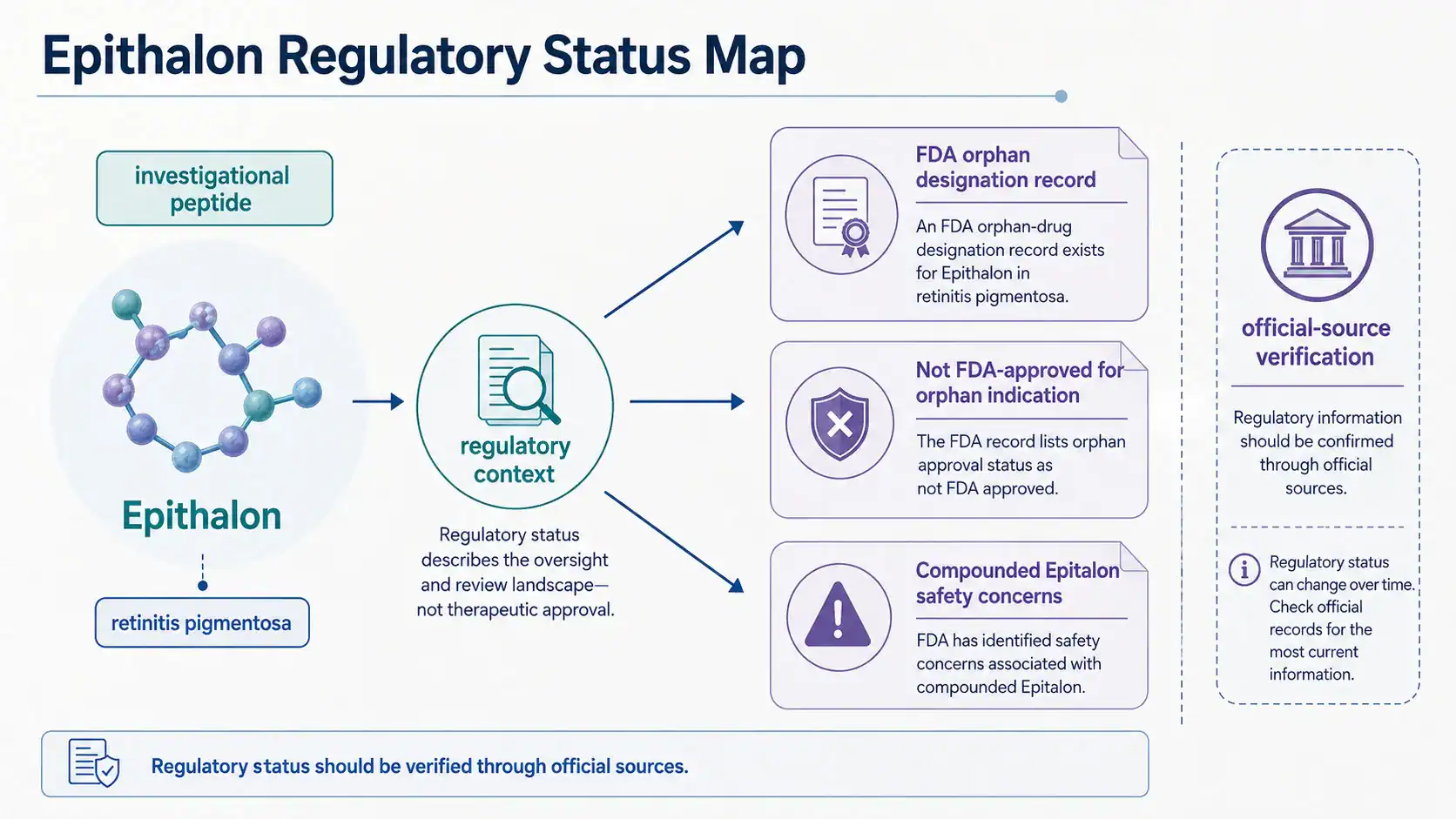
Epithalon peptide is not an FDA-approved drug for general therapeutic, longevity, or sleep use, and FDA has highlighted Epitalon-related compounding safety concerns 13 14. Regulatory status matters because approved and compounded or unapproved products are not evaluated the same way 16.
Is Epithalon Peptide FDA-Approved?
Epitalon received an FDA orphan-drug designation record dated September 2, 2010 for treatment of retinitis pigmentosa, but the same FDA record lists the orphan approval status as “Not FDA Approved for Orphan Indication” 13. FDA also lists Epitalon among substances previously in category 2 or withdrawn nominations with potential safety concerns for compounded use 14.
As of June 19, 2026, FDA has scheduled a July 23-24, 2026 Pharmacy Compounding Advisory Committee meeting where Epitalon free base and Epitalon acetate are listed for discussion with insomnia as the evaluated use 15. That agenda item is not an approval, and any later status should be verified directly through FDA sources 15.
Epithalon Compared With Related Pineal and Bioregulator Peptides
Epithalon is best compared with related pineal and bioregulator compounds by identity, evidence level, and regulatory status rather than by claims of being “better” or “stronger” 2 20. Comparisons help readers understand the literature without turning the topic into a product recommendation.
Epithalamin and Epithalon: Extract vs Synthetic Tetrapeptide
Epithalamin is a complex peptide preparation from pineal gland extract, while Epithalon or Epitalon is the synthetic AEDG tetrapeptide studied as a more defined compound 2 20. Human mortality and geroprotective reports involving Epithalamin should not be treated as direct proof for synthetic Epithalon unless the study specifically tested Epitalon 19.
Vilon, Epithalon, and Peptide Bioregulators
Vilon and Epithalon appear in peptide bioregulator literature associated with short peptide regulation of tissue-related processes 2 20. These terms belong in the same research lane, but they are not interchangeable medicines and should not be stacked into unsupported therapeutic claims.
Melatonin and Epithalon in Circadian-Rhythm Context
Melatonin is a pineal hormone with a well-known circadian rhythm role, while Epithalon is discussed as a peptide that may influence pineal or melatonin-related regulation in selected studies 7 8. The two should not be treated as equivalent interventions.
Evidence Limits and Clinician Discussion Points
The safest way to interpret Epithalon is to separate compound identity, mechanism, early human findings, preclinical findings, regulatory status, and unsupported online claims. The evidence is biologically interesting, but it is not strong enough to justify broad claims that Epithalon reverses ageing, treats insomnia, prevents cancer, or extends human lifespan.
What Should Readers Discuss With a Clinician?
Readers considering peptide-related medical decisions should discuss the following with a licensed clinician:
- Whether the medical goal has an approved, better-studied option.
- Whether the Epithalon evidence is human, preclinical, mechanistic, or anecdotal.
- Whether pregnancy, breastfeeding, cancer history, immune disease, endocrine disease, retinal disease, or sleep-disorder symptoms change risk.
- Whether current medications or supplements could create interaction concerns.
- Whether a product is FDA-approved, compounded, investigational, or unapproved.
- Whether adverse events, lab monitoring, or follow-up would be needed.
- Whether the claim being considered comes from peer-reviewed evidence or from marketing.
Epithalon peptide should be interpreted through evidence quality, regulatory status, safety data, and clinician-guided decision-making. The strongest conclusions come from verified compound identity, telomere and telomerase mechanisms, and regulator statements; broader therapeutic claims remain limited by small human evidence, preclinical translation gaps, and long-term safety uncertainty.
Related dosage protocols and research
Use the available links to move between research context, dosage pages or comparisons, and supporting guides. When vial-size variants exist, they remain separate because concentration and syringe-unit calculations change with vial strength. Comparisons do not imply that different compounds are interchangeable.
Matching dosage protocols
Related protocols and comparisons
Further research context
- Cartalax Peptide: Benefits, Uses, Side Effects, Dosage, and Research
- What is Vesugen (Lys‑Glu‑Asp)? The Evidence‑Based Guide to KED
- Cardiogen Peptide: Benefits, Uses, Side Effects, Dosage, and Research
Core guides
References
Epitalon Compound Summary
pubchem.ncbi.nlm.nih.gov
1
Overview of Epitalon, Highly Bioactive Pineal Tetrapeptide with Promising Properties
pubmed.ncbi.nlm.nih.gov
2
Biochemistry, Telomere And Telomerase
ncbi.nlm.nih.gov
3
Epithalon peptide induces telomerase activity and telomere elongation in human somatic cells
pubmed.ncbi.nlm.nih.gov
4
Epitalon increases telomere length in human cell lines through telomerase upregulation or ALT activity
pubmed.ncbi.nlm.nih.gov
5
AEDG Peptide, Epitalon, Stimulates Gene Expression and Protein Synthesis during Neurogenesis: Possible Epigenetic Mechanism
pubmed.ncbi.nlm.nih.gov
6
Normalizing effect of the pineal gland peptides on the daily melatonin rhythm in old monkeys and elderly people
pubmed.ncbi.nlm.nih.gov
7
Synthetic tetrapeptide epitalon restores disturbed neuroendocrine regulation in senescent monkeys
pubmed.ncbi.nlm.nih.gov
8
Pineal-regulating tetrapeptide epitalon improves eye retina condition in retinitis pigmentosa
pubmed.ncbi.nlm.nih.gov
9
Effect of Epitalon on biomarkers of aging, life span and spontaneous tumor incidence in female Swiss-derived SHR mice
pubmed.ncbi.nlm.nih.gov
10
Effect of the synthetic pineal peptide epitalon on spontaneous carcinogenesis in female C3H/He mice
pubmed.ncbi.nlm.nih.gov
11
Effect of Ala-Glu-Asp-Gly peptide on life span and development of spontaneous tumors in female rats exposed to different illumination regimes
pubmed.ncbi.nlm.nih.gov
12
Search Orphan Drug Designations and Approvals: Epitalon
accessdata.fda.gov
13
Certain Bulk Drug Substances for Use in Compounding that May Present Significant Safety Risks
fda.gov
14
July 23-24, 2026: Meeting of the Pharmacy Compounding Advisory Committee
fda.gov
15
Compounding and the FDA: Questions and Answers
fda.gov
16
Lyophilization of Parenterals, Guide to Inspections
fda.gov
17
Telomerase Activity as a Marker of Tumor Cell Survival to Evaluate Sensitivity of Neoplastic Cells to Cancer Treatment
ncbi.nlm.nih.gov
18
Peptides of pineal gland and thymus prolong human life
pubmed.ncbi.nlm.nih.gov
19
Peptides and Ageing
pubmed.ncbi.nlm.nih.gov
20
FAQs
What is Epitalon peptide used for?
Epitalon peptide is used in research discussions around telomere biology, circadian rhythm, melatonin signaling, retinal degeneration, and ageing-related mechanisms. Human evidence is limited, while much of the strongest support comes from preclinical or in vitro studies rather than large clinical trials 4 5 7 9. It should be described as an investigational peptide topic, not as an approved therapy for longevity, sleep, or disease treatment.
What are the benefits of Epithalon peptide?
Potential benefits of Epithalon peptide are mainly discussed in relation to telomere length, telomerase activity, pineal gland signaling, melatonin rhythm, and ageing models. These benefits are evidence-sensitive because cell and animal findings do not automatically translate into human outcomes 4 5 10. Claims that Epithalon makes people look younger, reverses aging, or extends human lifespan are not established by strong clinical evidence.
How does Epithalon peptide work at a cellular level?
Epithalon peptide is proposed to work at a cellular level through effects on telomerase activity, telomere length, gene expression, and pineal-related signaling pathways. Published research has reported telomerase and telomere findings in human somatic cells and cell lines 4 5. These mechanisms help explain why Epithalon is studied, but mechanism of action does not prove clinical efficacy or guarantee therapeutic benefit in humans.
What are the potential side effects of Epithalon peptide?
Potential side effects of Epithalon peptide are not well defined in modern, large human safety studies. Reported concerns include incomplete adverse-event data, possible injection-site reactions, allergic reactions, product-quality issues, and unknown long-term risks. FDA has also noted potential safety concerns for compounded Epitalon, including possible immunogenicity related to aggregation or peptide-related impurities 14. Side-effect discussions should therefore emphasize uncertainty, not reassurance.
What dosage information has been reported for Epithalon peptide?
Dosage information for Epithalon peptide should be interpreted as published-study context, not as a personal protocol. The article cited an animal study using subcutaneous Epitalon at 1.0 microgram per mouse, approximately 30 to 40 micrograms per kilogram, on 5 consecutive days each month 10. Epithalon does not have an FDA-approved dosing label for general therapeutic, longevity, or sleep use 13.
Is Epithalon peptide FDA-approved or legal in the United States?
Epithalon peptide is not FDA-approved for general therapeutic, longevity, or sleep use in the United States. FDA records show Epitalon received orphan-drug designation for retinitis pigmentosa, but the approval status for that orphan indication is listed as not FDA approved 13. FDA has also identified safety concerns for compounded Epitalon, so regulatory status, product quality, and medical supervision remain important considerations 14 16.
Researchers Cited in This Article
The researchers below authored or co-authored publications cited in this article. Listing them here identifies sources; it does not mean they wrote, independently reviewed, sponsored, or endorsed this PeptideDosages.com article. The site author is identified in the article byline.
Vladimir Kh. Khavinson
Researcher profile: ORCID
Vladimir Kh. Khavinson authored and coauthored multiple publications relevant to Epithalon peptide, also described in the literature as Epitalon or AEDG. His published work is especially relevant to the article’s discussion of peptide bioregulators, pineal peptide research, telomerase activity, telomere biology, and mechanism-of-action questions. The selected publications below help frame Epithalon as a research topic involving short peptide signaling, gene expression, and cellular models, while also illustrating why mechanistic findings should be separated from established clinical use.
Selected publications:
- Epithalon peptide induces telomerase activity and telomere elongation in human somatic cells — Bulletin of Experimental Biology and Medicine, 2003. PMID: 12937682.
- AEDG Peptide, Epitalon, Stimulates Gene Expression and Protein Synthesis during Neurogenesis: Possible Epigenetic Mechanism — Molecules, 2020. PMID: 32019204.
Vladimir N. Anisimov
Researcher profile: RUDN University Journal Profile
Vladimir N. Anisimov’s publications are relevant to the preclinical evidence base discussed for Epitalon, particularly animal models involving aging biomarkers, lifespan measures, spontaneous tumor incidence, and carcinogenesis research. His work helps contextualize why Epithalon-related findings are often discussed in longevity and oncology-adjacent research, while also underscoring the need to distinguish preclinical model results from human therapeutic conclusions. The selected publications below are useful for interpreting Epitalon’s animal-study literature and its evidence limitations.
Selected publications:
- Effect of Epitalon on biomarkers of aging, life span and spontaneous tumor incidence in female Swiss-derived SHR mice — Biogerontology, 2003. PMID: 14501183.
- Effect of the synthetic pineal peptide epitalon on spontaneous carcinogenesis in female C3H/He mice — In Vivo, 2006. PMID: 16634527.
Evidence: Claim-level sources are linked·Editorial standards & correctionsPrevious ArticleCJC-1295 No DAC Peptide: Benefits, Uses, Side Effects, Dosage, and ResearchNext ArticlePE-22-28 Peptide: Benefits, Uses, Side Effects, Dosage, and Research