
TB-500 (5 mg) + BPC-157 (5 mg) Stack Dosage Protocol
- Table of Contents
- TB-500 + BPC-157 Stack (5 mg Vials) Dosage Protocol
- TB-500 Dosage Chart
- Dosing & Reconstitution Guide
- TB-500 Protocol (2 mL Reconstitution = 2.5 mg/mL)
- TB-500 Reconstitution Steps
- BPC-157 Protocol (2 mL Reconstitution = 2.5 mg/mL)
- BPC-157 Reconstitution Steps
- Supplies Needed
- Protocol Overview
- Dosing Protocol
- Storage Instructions
- Important Notes
- How This Works
- Potential Benefits & Side Effects
- Lifestyle Factors
- Injection Technique
- Important Note
- References
- Additional Research and Background
TB-500 + BPC-157 Stack (5 mg Vials) Dosage Protocol
TB-500 Dosage Chart
TB-500 is dosed at 1.25 mg weekly via subcutaneous injection in educational protocols. A 5 mg reconstituted with bacteriostatic water yields about 2.5 mg/mL. This information is for research and educational use only.
- TB-500 Reconstitution: Add 2.0 mL bacteriostatic water → 2.5 mg/mL concentration.
- BPC-157 Reconstitution: Add 2.0 mL bacteriostatic water → 2.5 mg/mL concentration.
- TB-500 Dosing: 1,250 mcg (50 units) twice weekly (Weeks 1–4), then once weekly (Weeks 5–12).
- BPC-157 Dosing: 250–500 mcg (10–20 units) daily, titrated over 12 weeks.
- Easy measuring: At 2.5 mg/mL, 1 unit = 0.01 mL = 25 mcg on a U-100 insulin syringe.
- Storage: Lyophilized: refrigerate at 2–8 °C (35.6–46.4 °F); after reconstitution, refrigerate and use within ~30 days
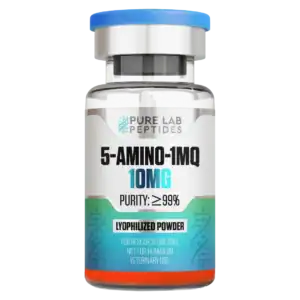
TB-500 (Thymosin β4) is a 43-amino-acid peptide that promotes tissue repair and regeneration through enhanced angiogenesis and cellular migration[1][2]. BPC-157 (Body Protection Compound-157) is a 15-amino-acid gastric peptide studied for accelerating musculoskeletal healing by upregulating growth factor signaling[3][4]. Stacking these peptides is a common research approach for synergistic tissue repair support.
Related research: For distinct compound, component, or formulation evidence and safety context, read BPC-157 Peptide: Benefits, Uses, Side Effects, Dosage, and Research and TB-500 Peptide: Benefits, Uses, Side Effects, Dosage, and Research. These links are comparisons only; the compounds and formulations should not be treated as interchangeable.
Dosing & Reconstitution Guide
Educational guide for reconstitution and combined dosing protocol
TB-500 Protocol (2 mL Reconstitution = 2.5 mg/mL)
Week
Dose (mcg)
Units (per injection) (mL)
Frequency
| Weeks 1–4 | 1,250 mcg (1.25 mg) | 50 units (0.50 mL) | Twice weekly |
| Weeks 5–12 | 1,250 mcg (1.25 mg) | 50 units (0.50 mL) | Once weekly |
Route: Subcutaneous injection. The loading phase (Weeks 1–4) uses twice-weekly dosing to establish tissue saturation, followed by a maintenance phase (Weeks 5–12) at once weekly[1].
TB-500 Reconstitution Steps
- Draw 2.0 mL bacteriostatic water with a sterile syringe.
- Inject slowly down the vial wall; avoid foaming.
- Gently swirl/roll until dissolved (do not shake).
- Label and refrigerate at 2–8 °C (35.6–46.4 °F), protected from light.
BPC-157 Protocol (2 mL Reconstitution = 2.5 mg/mL)
Reconstitution: 3.0 mL bacteriostatic water → 1.67 mg/mL (1666.7 mcg/mL) → 16.67 mcg per unit
Week
Daily Dose (mcg)
Units (per injection) (mL)
Frequency
| Weeks 1–2 | 250 mcg (0.25 mg) | 10 units (0.10 mL) | Once daily |
| Weeks 3–8 | 500 mcg (0.50 mg) | 20 units (0.20 mL) | Once daily |
| Weeks 9–12 | 250 mcg (0.25 mg) | 10 units (0.10 mL) | Once daily |
Route: Subcutaneous injection, preferably near the site of injury. Preclinical research commonly uses 250–500 mcg per day for musculoskeletal applications[3][4]. For ≤10-unit (≤0.10 mL) administrations, consider 30- or 50-unit insulin syringes for improved readability.
BPC-157 Reconstitution Steps
- Draw 2.0 mL bacteriostatic water with a sterile syringe.
- Inject slowly down the vial wall; avoid foaming.
- Gently swirl/roll until dissolved (do not shake).
- Label and refrigerate at 2–8 °C (35.6–46.4 °F), protected from light.
Important: This guide is for educational purposes only and is not medical advice. For research use only. Not for human consumption.
Supplies Needed
Plan based on an 8–16 week combined protocol with the schedules above.
- TB-500 Vials (5 mg each):
- 8 weeks ≈ 3 vials
- 12 weeks ≈ 4 vials
- 16 weeks ≈ 5 vials
- BPC-157 Vials (5 mg each):
- 8 weeks ≈ 5 vials
- 12 weeks ≈ 7 vials
- 16 weeks ≈ 8 vials
- Insulin Syringes (U-100):
- 8 weeks: 68 syringes (TB-500: 12 + BPC-157: 56)
- 12 weeks: 100 syringes (TB-500: 16 + BPC-157: 84)
- 16 weeks: 132 syringes (TB-500: 20 + BPC-157: 112)
- Bacteriostatic Water (10 mL bottles): Use 2.0 mL per vial for reconstitution.
- 8 weeks (8 total vials): 16 mL → 2 × 10 mL bottles
- 12 weeks (11 total vials): 22 mL → 3 × 10 mL bottles
- 16 weeks (13 total vials): 26 mL → 3 × 10 mL bottles
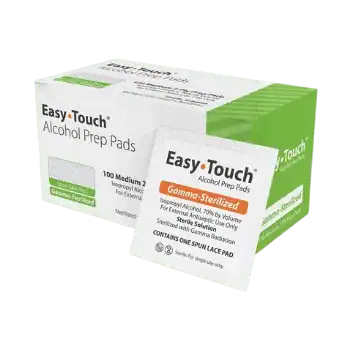
- Alcohol Swabs: One for the vial stopper + one for the injection site each administration.
- 8 weeks: ~160 swabs → recommend 2 × 100-count boxes
- 12 weeks: ~232 swabs → recommend 3 × 100-count boxes
- 16 weeks: ~304 swabs → recommend 4 × 100-count boxes
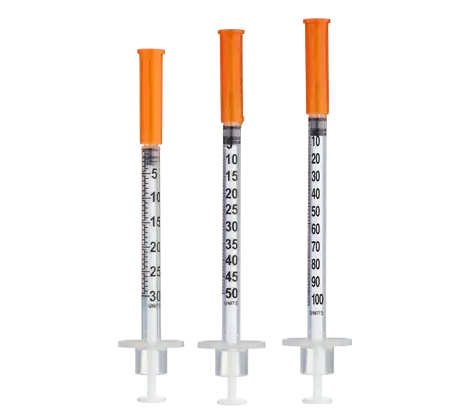
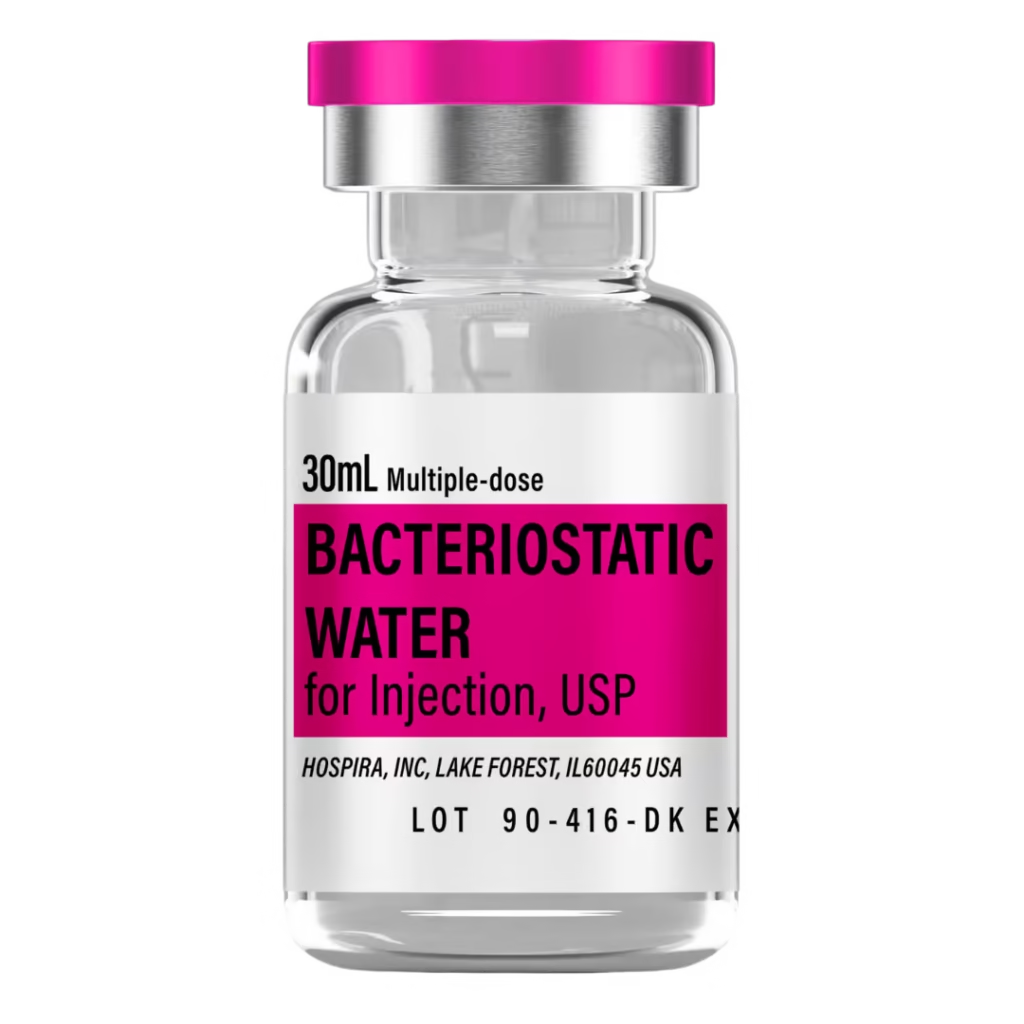
Protocol Overview
Concise summary of the combined regimen.
- Goal: Support tissue repair, reduce inflammation, and accelerate recovery from musculoskeletal injuries[1][3].
- Schedule: TB-500 twice weekly (loading) then once weekly (maintenance); BPC-157 daily throughout.
- Dose Range: TB-500: 1,250 mcg per injection; BPC-157: 250–500 mcg daily.
- Reconstitution: 2.0 mL per 5 mg vial for both peptides (~2.5 mg/mL).
- Storage: Refrigerate lyophilized and reconstituted solutions; use within ~30 days after reconstitution.
Dosing Protocol
Suggested combined approach for synergistic tissue support.
- TB-500 Loading: 1,250 mcg twice weekly for 4 weeks (total ~2.5 mg/week).
- TB-500 Maintenance: 1,250 mcg once weekly for Weeks 5–12.
- BPC-157 Start: 250 mcg daily for 2 weeks, then increase to 500 mcg daily.
- BPC-157 Taper: Return to 250 mcg daily for final 4 weeks (Weeks 9–12).
- Timing: Inject at consistent times; BPC-157 preferably near injury site.
Storage Instructions
- Proper storage preserves peptide quality.
- Lyophilized: Store at 2–8 °C (35.6–46.4 °F); for long-term storage, −20 °C (−4 °F) is acceptable[9].
- Reconstituted: Refrigerate at 2–8 °C (35.6–46.4 °F); use within ~30 days; avoid freeze–thaw cycles.
- Allow vials to reach room temperature before opening to reduce condensation uptake.
Important Notes
Practical considerations for consistency and safety.
- Use new sterile insulin syringes for each injection; dispose in a sharps container.
- Rotate injection sites (abdomen, thighs, upper arms) for TB-500; inject BPC-157 near the target tissue when possible[6].
- Inject slowly; wait a few seconds before withdrawing the needle.
- Document daily dose, injection site, and any observations to maintain consistency.
- Both peptides may be administered on the same day but at different injection sites.
How This Works
TB-500 mimics endogenous thymosin β4, modulating inflammation and activating repair pathways including PI3K/Akt and Notch signaling to enhance angiogenesis and cell migration[1][2]. It promotes actin sequestration and is studied for accelerating wound healing, reducing fibrosis, and improving function after ischemic or traumatic injuries.
BPC-157 upregulates angiogenic pathways (including VEGF) and counteracts inflammatory cytokines[3]. Preclinical research demonstrates improved healing of muscle, tendon, ligament, and bone with no observed toxicity[4][5]. The combination targets complementary mechanisms: TB-500 for systemic tissue repair signaling and BPC-157 for localized healing support.
Potential Benefits & Side Effects
Observations from preclinical and clinical literature.
- TB-500: Preclinical studies show accelerated wound closure, reduced fibrosis, and improved function after ischemic or traumatic injuries[1][2].
- BPC-157: Preclinical models demonstrate accelerated recovery of tendon, ligament, muscle, and bone injuries with no observed toxicity[3][4]. One clinical series found pain relief in 7 of 12 patients after a single intraarticular knee injection[4].
- Stack Rationale: The combination may offer complementary mechanisms—systemic repair signaling (TB-500) plus localized tissue healing (BPC-157).
- Side Effects: Generally well tolerated in research settings; occasional mild injection-site reactions (redness, itching) may occur with subcutaneous administration.
Lifestyle Factors
Complementary strategies for best outcomes.
- Prioritize adequate protein intake to support tissue repair and regeneration.
- Incorporate appropriate physical therapy or mobility work as tolerated during recovery.
- Prioritize sleep and stress management to optimize healing responses.
- Stay hydrated and maintain balanced nutrition to support anabolic processes.
Injection Technique
General subcutaneous guidance from clinical best-practice resources[7][8].
- Clean the vial stopper and skin with alcohol; allow to dry.
- Pinch a skinfold; insert the needle at 45–90° into subcutaneous tissue[7].
- Do not aspirate for subcutaneous injections; inject slowly and steadily[7].
- Rotate sites systematically (abdomen, thighs, upper arms) to avoid lipohypertrophy[8].
- For BPC-157, injecting near the injury site may enhance local effects[4].
Important Note
This content is for educational purposes only and is not medical advice.
References
Frontiers in Endocrinology (2021)
— Progress on the Function and Application of Thymosin β4
Annals of the New York Academy of Sciences
— Thymosin β4: roles in development, repair, and engineering of the cardiovascular system
Frontiers in Pharmacology (2022)
— Pharmacokinetics, distribution, metabolism, and excretion of BPC-157
HSS Journal (2025)
— Emerging Use of BPC-157 in Orthopaedic Sports Medicine: A Systematic Review
Current Pharmaceutical Design (2018)
— Stable Gastric Pentadecapeptide BPC 157: Novel Therapy in Gastrointestinal Tract
Journal of Orthopaedic Surgery and Research (2019)
— BPC 157 and its effects on tendon healing
CDC (2024)
— Vaccine Administration: Subcutaneous (SUBCUT) Injection
NCBI Bookshelf (2023)
— Administration of Parenteral Medications – Nursing Skills
CDC (NCHS)
— Laboratory Procedure Manual: C-Peptide in Serum (storage guidelines) View Source
Additional Research and Background
These sources provide related context and are not presented as support for a specific statement above.
CDC (2023)
— General Best Practice Guidelines for Immunization: Vaccine AdministrationView Source
Related research, protocols, and guides
Explore the available research context, protocol variants or comparisons, and practical guides. When vial-size variants exist, they remain separate because vial strength, concentration, and syringe-unit calculations can differ. Related compounds and blends are comparisons only, not interchangeable.
Other vial-size protocols
Evidence: Dosing and safety sources are linked·Editorial standards & corrections