
Vilon (20 mg Vial) Dosage Protocol
- Table of Contents
- 5-Amino-1MQ Dosage Chart
- Dosing & Reconstitution Guide
- Subcutaneous Protocol (2 mL = 5 mg/mL)
- Reconstitution Steps
- Supplies Needed
- Protocol Overview
- Dosing Protocol
- Storage Instructions
- Important Notes
- How This Works
- Potential Benefits & Side Effects
- Lifestyle Factors
- Injection Technique
- References
- Additional Research and Background
Vilon Dosage Chart
Vilon is dosed at 67 mcg–667 mcg daily via subcutaneous injection in educational protocols. A 20 mg vial reconstituted with bacteriostatic water yields about 6.67 mg/mL. This information is for research and educational use only.
- Reconstitute: Add 3.0 mL bacteriostatic water → ~6.67 mg/mL concentration.
- Typical range: 67–670 mcg once daily for 5 consecutive days per cycle.
- Easy measuring: At 6.67 mg/mL, 1 unit = 0.01 mL ≈ 66.7 mcg on a U‑100 insulin syringe.
- Storage: Lyophilized: freeze at −20 °C (−4 °F); after reconstitution, refrigerate at 2–8 °C (35.6–46.4 °F); use within 1 week or aliquot and freeze.
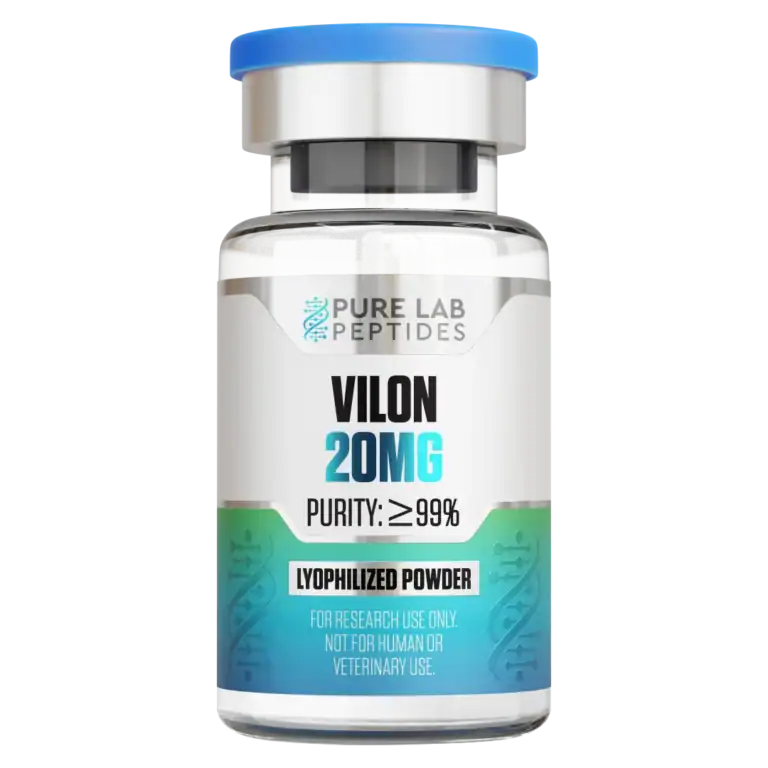
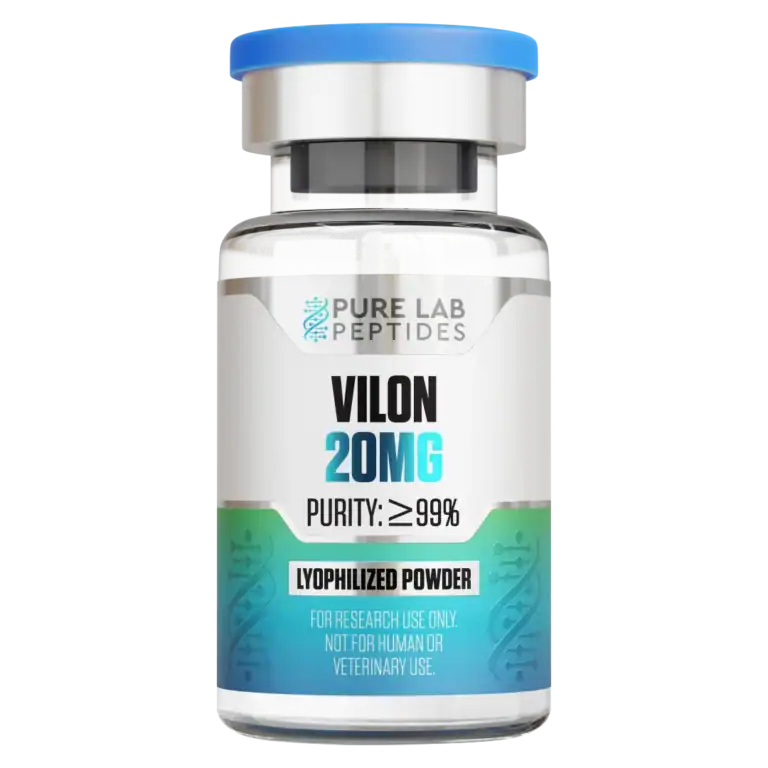
Vilon (Lys‑Glu) is a synthetic immunoregulatory dipeptide consisting of lysine and glutamic acid residues[1]. Preclinical research indicates it may enhance immune markers including CD5+ lymphocytes and interleukin‑2 expression in thymic and splenic cell cultures[2][3]. This educational protocol presents a pulsed subcutaneous approach (5 consecutive days per 4‑week cycle) using a practical dilution for clear insulin‑syringe measurements.
Related research: For distinct compound, component, or formulation evidence and safety context, read Epithalon Peptide: Benefits, Uses, Side Effects, Dosage, and Research. These links are comparisons only; the compounds and formulations should not be treated as interchangeable.
Dosing & Reconstitution Guide
Educational guide for reconstitution and pulsed dosing
Standard / Gradual Approach (3 mL = ~6.67 mg/mL)
Phase / Cycle
Daily Dose (mcg)
Units (per injection) (mL)
| Cycle 1, Day 1 | 67 mcg (0.067 mg) | 1 unit (0.01 mL) |
| Cycle 1, Day 2 | 133 mcg (0.133 mg) | 2 units (0.02 mL) |
| Cycle 1, Day 3 | 200 mcg (0.20 mg) | 3 units (0.03 mL) |
| Cycle 1, Day 4 | 267 mcg (0.267 mg) | 4 units (0.04 mL) |
| Cycle 1, Day 5 | 333 mcg (0.33 mg) | 5 units (0.05 mL) |
| Cycle 2+ (Days 1–5) | 333–667 mcg (0.33–0.67 mg) | 5–10 units (0.05–0.10 mL) |
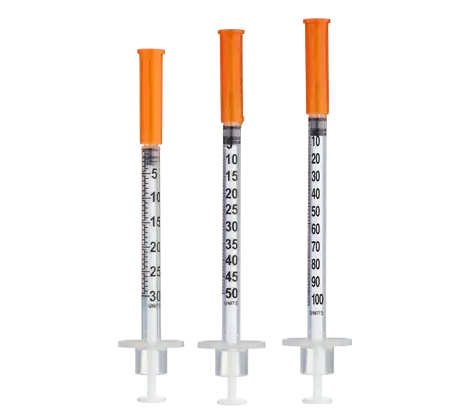
For ≤10‑unit (≤0.10 mL) administrations, consider 30‑ or 50‑unit insulin syringes for improved readability.
Reconstitution Steps
- Draw 3.0 mL bacteriostatic water with a sterile syringe.
- Inject slowly down the vial wall; avoid foaming.
- Gently swirl/roll until dissolved (do not shake).
- Label and refrigerate at 2–8 °C (35.6–46.4 °F), protected from light; use within ~1 week or aliquot and freeze[10].
Important: This guide is for educational purposes only and is not medical advice. For research use only. Not for human consumption.
Supplies Needed
Plan based on an 8–16 week pulsed protocol (5 injection days per 4‑week cycle).
- Peptide Vials (Vilon, 20 mg each):
- 8 weeks (2 cycles, 10 injections) ≈ 1 vial
- 12 weeks (3 cycles, 15 injections) ≈ 1 vial
- 16 weeks (4 cycles, 20 injections) ≈ 1 vial
- Insulin Syringes (U‑100, 30‑ or 50‑unit preferred):
- Per cycle: 5 syringes (1/day × 5 days)
- 8 weeks: 10 syringes
- 12 weeks: 15 syringes
- 16 weeks: 20 syringes
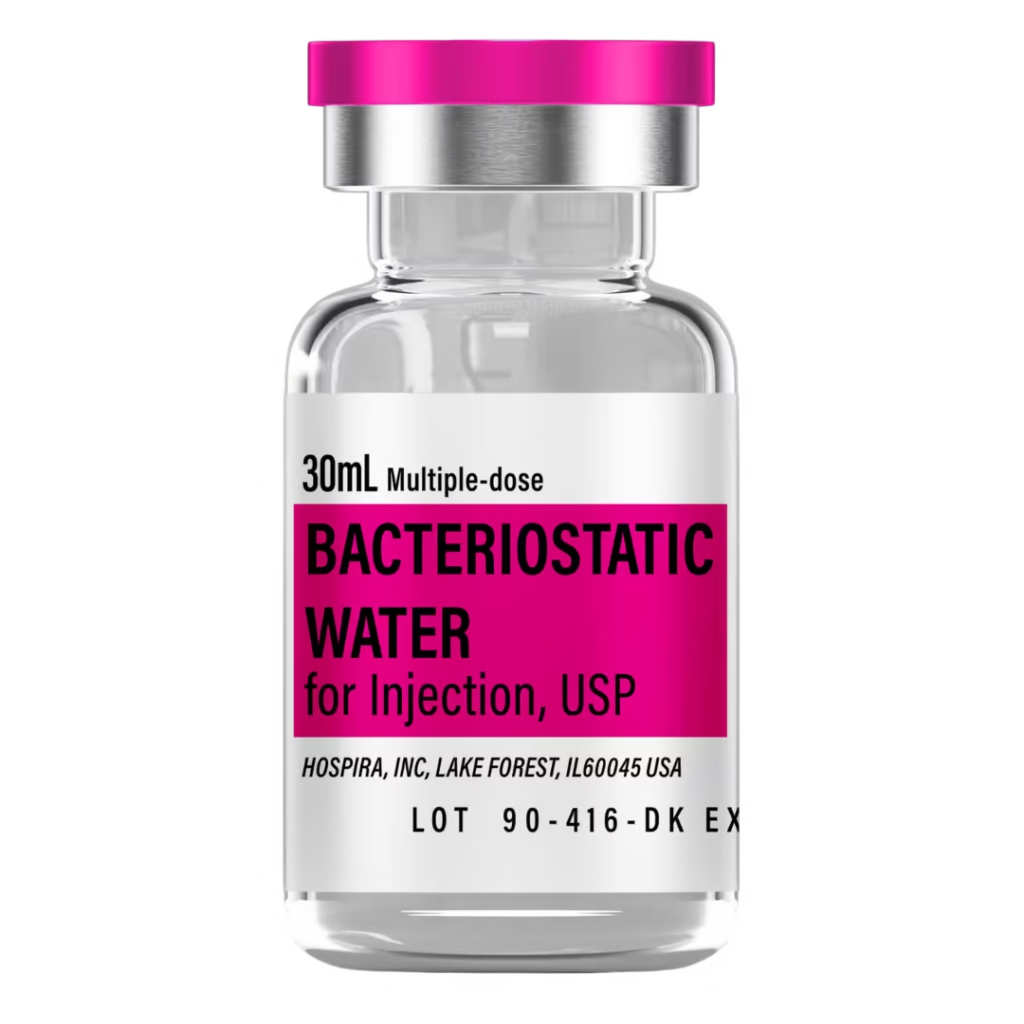
- Bacteriostatic Water (10 mL bottles): Use 3.0 mL per vial for reconstitution.
- 8–16 weeks (1 vial): 3 mL → 1 × 10 mL bottle
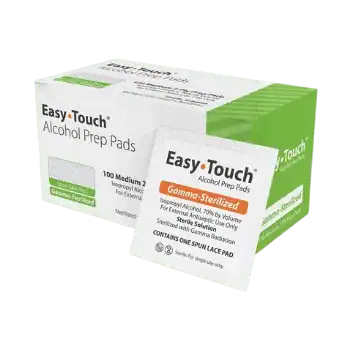
- Alcohol Swabs: One for the vial stopper + one for the injection site each day.
- Per cycle: 10 swabs (2/day × 5 days)
- 8 weeks: 20 swabs
- 12 weeks: 30 swabs
- 16 weeks: 40 swabs → recommend 1 × 100‑count box
Protocol Overview
Concise summary of the pulsed regimen.
- Goal: Support immune modulation and thymic function markers based on preclinical observations[1][2].
- Schedule: 5 consecutive days of subcutaneous injections per 4‑week cycle; repeat for 2–4 cycles.
- Dose Range: 67–667 mcg daily with gradual titration during the first cycle.
- Reconstitution: 3.0 mL per 20 mg vial (~6.67 mg/mL) for accurate low‑volume measurements.
- Storage: Lyophilized frozen; reconstituted refrigerated; avoid repeated freeze–thaw.
Dosing Protocol
Suggested pulsed titration approach.
- Start: 67 mcg (1 unit) on Day 1; increase by ~67 mcg (1 unit) each day during first cycle.
- Target: 333–667 mcg (5–10 units) daily by Cycle 2 onward.
- Frequency: Once per day (subcutaneous) for 5 consecutive days per cycle[5].
- Cycle Length: 5 days on, ~23 days off (4‑week cycle); run 2–4 cycles.
- Timing: Any consistent time; rotate injection sites.
Storage Instructions
Proper storage preserves peptide quality.
- Lyophilized: Store at −20 °C (−4 °F) short‑term or −80 °C (−112 °F) long‑term in dry, dark conditions; minimize moisture exposure[10].
- Reconstituted: Refrigerate at 2–8 °C (35.6–46.4 °F); use within ~1 week or prepare aliquots and freeze to extend stability.
- Allow vials to reach room temperature before opening to reduce condensation uptake.
Important Notes
Practical considerations for consistency and safety.
- Use new sterile insulin syringes (30‑ or 50‑unit recommended for low‑volume accuracy); dispose in a sharps container.
- Rotate injection sites (abdomen, thighs, upper arms) to reduce local irritation[9].
- Inject slowly; wait a few seconds before withdrawing the needle.
- Document daily dose and site rotation to maintain consistency across cycles.
How This Works
Vilon belongs to a class of short bioregulatory peptides developed through Russian gerontology research[4]. In vitro studies demonstrate that the Lys‑Glu dipeptide can modulate lymphocyte populations and cytokine gene expression. Specifically, Vilon has been observed to increase CD5+ cell counts in thymus cell cultures[1] and upregulate interleukin‑2 (IL‑2) mRNA expression in splenocyte preparations[2]. Additional preclinical work suggests effects on TGF‑β1 and vascular permeability in renal models[3]. The pulsed 5‑day monthly regimen is analogized from related short peptide protocols such as Epitalon[5].
Potential Benefits & Side Effects
Observations from preclinical literature.
- Supports immune cell marker expression (CD5+ lymphocytes) and IL‑2 gene activity in cell culture models[1][2].
- May modulate inflammatory cytokines such as TGF‑β1 under experimental renal stress conditions[3].
- Early mouse studies suggest potential effects on tumor growth inhibition and lifespan extension, though human data remain limited[6].
- Generally well tolerated in preclinical settings; occasional mild injection‑site reactions (redness/itch) may occur with subcutaneous administration.
Lifestyle Factors
Complementary strategies for best outcomes.
- Pair with a nutrient‑dense diet rich in antioxidants and adequate protein to support immune function.
- Incorporate regular moderate exercise to reinforce immune and metabolic health.
- Prioritize sleep (7–9 hours) and stress management to optimize endogenous immune regulation.
Important Note
This content is intended for therapeutic educational purposes only and does not constitute medical advice, diagnosis, or treatment.
References
Sevostianova NN et al. (2013)
— Immunomodulating effects of Vilon and its analogue in the culture of human and animal thymus cells
Kazakova TB et al. (2002)
— In vitro effect of short peptides on expression of interleukin‑2 gene in splenocytes
Gavrisheva NA et al. (2005)
— Effect of Vilon peptide on TGF‑β1 and vascular permeability in chronic renal failure
Kniaz’kin IA et al. (2002)
— Effect of a peptide Vilon on immune aging (Adv Gerontol)
Araj SK et al. (2025)
— Overview of Epitalon—highly bioactive pineal tetrapeptide with promising properties (Int J Mol Sci)
Chernyak EY et al. (2000)
— Synthetic dipeptide Vilon inhibits tumor growth and prolongs life in mice (Dokl Biol Sci)
Avolio F et al. (2022)
— Peptides regulating proliferative activity and inflammatory pathways in THP‑1 macrophages (Int J Mol Sci)
Wong AKC et al. (2024)
— Injection techniques to reduce subcutaneous heparin complications (J Adv Nurs)
MedlinePlus (NIH)
— Subcutaneous (SQ) injections: patient information
Merck KGaA (Millipore Sigma)
— Handling and storage guidelines for peptides and proteins
Additional Research and Background
These sources provide related context and are not presented as support for a specific statement above.
CDC
— Vaccine administration: subcutaneous route (angle/site; no aspiration)
NCBI Bookshelf
— Best practices for injection (asepsis, preparation, and administration)
Related research, protocols, and guides
Explore the available research context, protocol variants or comparisons, and practical guides. When vial-size variants exist, they remain separate because vial strength, concentration, and syringe-unit calculations can differ. Related compounds and blends are comparisons only, not interchangeable.