
AOD-9604 + CJC-1295 + Ipamorelin (12 mg Blend) Dosage Protocol
- Table of Contents
- AOD-9604 + CJC-1295 + Ipamorelin Dosage Chart
- Dosing & Reconstitution Guide
- Standard / Gradual Approach (3 mL reconstitution)
- Reconstitution Steps
- Syringe Math Reference
- Supplies Needed
- Protocol Overview
- Dosing Protocol
- Storage Instructions
- Important Notes
- How This Works
- Potential Benefits & Side Effects
- Potential Benefits
- Possible Side Effects
- Lifestyle Factors
- Injection Technique
- References
- Additional Research and Background
AOD-9604 + CJC-1295 + Ipamorelin Dosage Chart
The AOD-9604 + CJC-1295 + Ipamorelin peptide blend is dosed at 200 mcg–400 mcg daily via subcutaneous injection in educational protocols. A 12 mg blend reconstituted with bacteriostatic water yields about 4 mg/mL. This information is for research and educational use only.
- Vial contents: 6 mg AOD-9604 + 3 mg CJC-1295 + 3 mg Ipamorelin (12 mg total).
- Reconstitute: Add 3.0 mL bacteriostatic water → 4 mg/mL total (2 mg/mL AOD, 1 mg/mL CJC, 1 mg/mL Ip).
- Typical daily range: 0.1–0.2 mL once daily (200–400 mcg AOD / 100–200 mcg CJC / 100–200 mcg Ip).
- Easy measuring: At 4 mg/mL total, 1 unit = 0.01 mL = 40 mcg total (20 mcg AOD + 10 mcg CJC + 10 mcg Ip).
- Storage: Lyophilized: freeze at −20 °C (−4 °F); after reconstitution, refrigerate at 2–8 °C (35.6–46.4 °F); avoid freeze–thaw cycles.
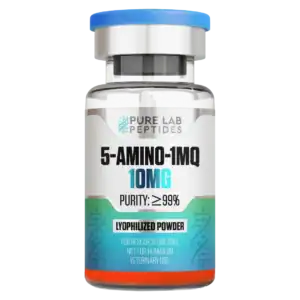
This synergistic blend combines three peptides targeting body composition: AOD-9604 (hGH fragment 177–191) promotes lipolysis without raising IGF-1[1]; CJC-1295 (GHRH analog) produces sustained GH and IGF-1 elevations[2]; and Ipamorelin (ghrelin mimetic) selectively stimulates GH secretion without increasing cortisol or ACTH[3]. Together, these peptides may support lean mass gains and fat reduction[4].
Related research: For distinct compound, component, or formulation evidence and safety context, read AOD-9604 Peptide: Benefits, Uses, Side Effects, Dosage, and Research, Ipamorelin Peptide: Benefits, Uses, Side Effects, Dosage, and Research, and CJC-1295 DAC Peptide: Benefits, Uses, Side Effects, Dosage, and Research. These links are comparisons only; the compounds and formulations should not be treated as interchangeable.
Dosing & Reconstitution Guide
Educational guide for reconstitution and daily dosing
Standard / Gradual Approach (3 mL reconstitution)
Concentration after reconstitution: 2.0 mg/mL AOD-9604 | 1.0 mg/mL CJC-1295 | 1.0 mg/mL Ipamorelin
Week
Daily Dose
Units (mL)
Week 1
200 mcg AOD / 100 mcg CJC / 100 mcg Ip
10 units (0.10 mL)
Week 2
300 mcg AOD / 150 mcg CJC / 150 mcg Ip
15 units (0.15 mL)
Weeks 3–12
400 mcg AOD / 200 mcg CJC / 200 mcg Ip
20 units (0.20 mL)
Frequency: Inject once daily subcutaneously, preferably in the morning or before bed on an empty stomach. For ≤10‑unit (≤0.10 mL) administrations during titration, consider 30‑ or 50‑unit insulin syringes for improved readability.
Reconstitution Steps
- Draw 3.0 mL bacteriostatic water with a sterile syringe.
- Inject slowly down the vial wall; avoid foaming.
- Gently swirl/roll until dissolved (do not shake).
- Label and refrigerate at 2–8 °C (35.6–46.4 °F), protected from light.
Syringe Math Reference
Using a U-100 insulin syringe (100 units = 1 mL):
- 1 unit (0.01 mL) = 20 mcg AOD + 10 mcg CJC + 10 mcg Ip
- 10 units (0.10 mL) = 200 mcg AOD + 100 mcg CJC + 100 mcg Ip
- 15 units (0.15 mL) = 300 mcg AOD + 150 mcg CJC + 150 mcg Ip
- 20 units (0.20 mL) = 400 mcg AOD + 200 mcg CJC + 200 mcg Ip
Important: This guide is for educational purposes only and is not medical advice. For research use only. Not for human consumption.
Supplies Needed
Plan based on an 8–16 week daily protocol with gradual titration (maintenance dose: 0.20 mL/day).
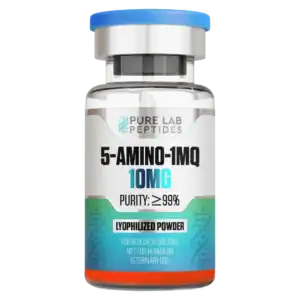
- Peptide Blend Vials (12 mg each):
- 8 weeks (~11.2 mL total): 4 vials
- 12 weeks (~16.8 mL total): 6 vials
- 16 weeks (~22.4 mL total): 8 vials
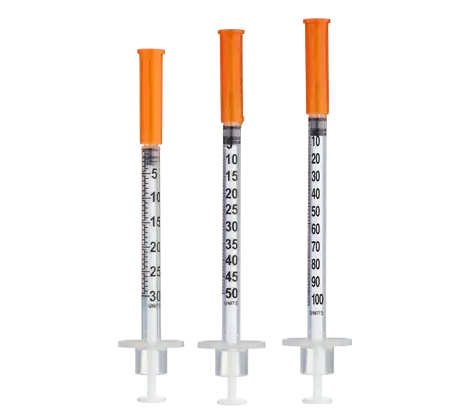
- Insulin Syringes (U‑100):
- Per week: 7 syringes (1/day)
- 8 weeks: 56 syringes
- 12 weeks: 84 syringes
- 16 weeks: 112 syringes
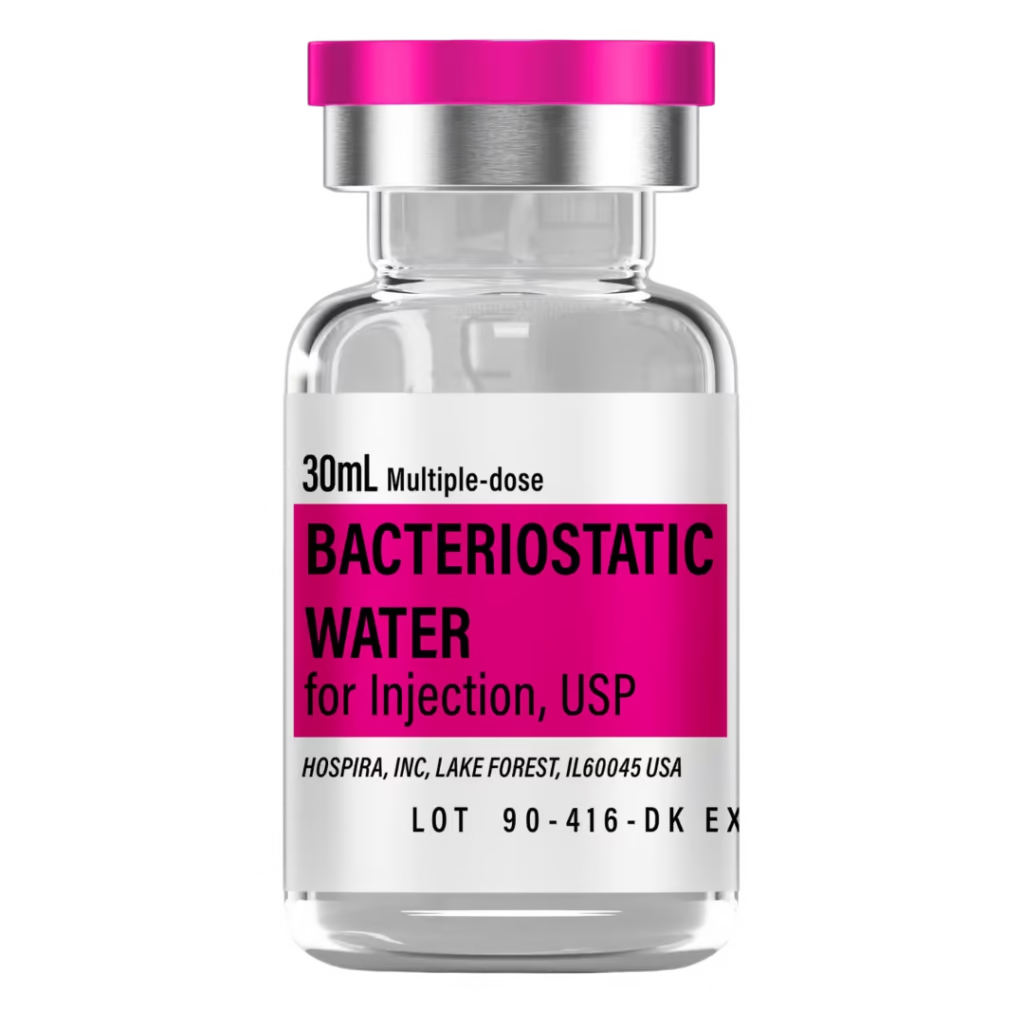
- Bacteriostatic Water (10 mL bottles): Use 3.0 mL per vial for reconstitution.
- 8 weeks (4 vials): 12 mL → 2 × 10 mL bottles
- 12 weeks (6 vials): 18 mL → 2 × 10 mL bottles
- 16 weeks (8 vials): 24 mL → 3 × 10 mL bottles
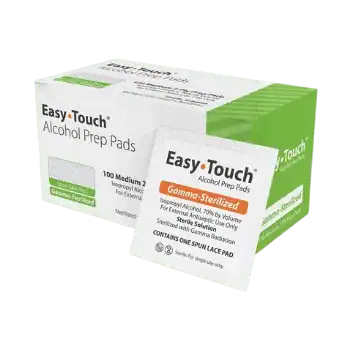
- Alcohol Swabs: One for the vial stopper + one for the injection site each day.
- Per week: 14 swabs (2/day)
- 8 weeks: 112 swabs → recommend 2 × 100‑count boxes
- 12 weeks: 168 swabs → recommend 2 × 100‑count boxes
- 16 weeks: 224 swabs → recommend 3 × 100‑count boxes
Protocol Overview
Concise summary of the once‑daily regimen.
- Goal: Support body composition improvements through combined lipolytic and GH-stimulating mechanisms[4][5].
- Schedule: Daily subcutaneous injections for 8–12 weeks (extend to 16 weeks if desired).
- Dose Range: 200–400 mcg AOD / 100–200 mcg CJC / 100–200 mcg Ip daily with gradual titration.
- Reconstitution: 3.0 mL per 12 mg vial (4 mg/mL total concentration).
- Storage: Lyophilized frozen; reconstituted refrigerated; avoid repeated freeze–thaw.
Dosing Protocol
Suggested daily titration approach.
- Start: 0.10 mL daily (200 mcg AOD / 100 mcg CJC / 100 mcg Ip); increase by ~0.05 mL weekly as tolerated.
- Target: 0.20 mL daily (400 mcg AOD / 200 mcg CJC / 200 mcg Ip) by Week 3.
- Frequency: Once per day (subcutaneous).
- Cycle Length: 8–12 weeks; optional extension to 16 weeks.
- Timing: Morning or before bed on an empty stomach; rotate injection sites.
Storage Instructions
Proper storage preserves peptide quality.
- Lyophilized: Store at −20 °C (−4 °F) in dry, dark conditions; minimize moisture exposure.
- Reconstituted: Refrigerate at 2–8 °C (35.6–46.4 °F); use within 28 days per CDC/USP guidelines[6].
- Allow vials to reach room temperature before opening to reduce condensation uptake.
Important Notes
Practical considerations for consistency and safety.
- Use new sterile insulin syringes for each injection; dispose in a sharps container.
- Rotate injection sites (abdomen, thighs, upper arms) to reduce local irritation.
- Inject slowly; wait a few seconds before withdrawing the needle.
- Document daily dose and site rotation to maintain consistency.
- Best administered on an empty stomach (fasting) for optimal GH release.
How This Works
This blend combines three complementary peptides with distinct mechanisms:
- AOD-9604 is a modified C-terminal fragment of human growth hormone (amino acids 177–191) that retains the lipolytic and anti-lipogenic properties of GH without stimulating IGF-1 or affecting glucose metabolism[1][7].
- CJC-1295 is a long-acting GHRH analog that produces sustained elevations in growth hormone and IGF-1 levels[2], supporting anabolic processes and fat metabolism.
- Ipamorelin is a selective ghrelin mimetic that stimulates pulsatile GH secretion without significantly increasing ACTH or cortisol[3], offering a cleaner GH release profile.
Together, these peptides work synergistically to enhance endogenous GH pulsatility and promote favorable changes in body composition similar to exogenous GH therapy[4][5].
Potential Benefits & Side Effects
Observations from preclinical and clinical literature.
Potential Benefits
- Supports reduction in fat mass and enhancement of lipolysis[1][5].
- May promote lean mass gains through sustained GH and IGF-1 elevation[2][4].
- Selective GH release without significant cortisol or prolactin increases[3].
- AOD-9604 shows a placebo-like safety profile in human studies[7][8].
Possible Side Effects
- Mild injection-site reactions (redness, itching) with subcutaneous administration.
- Transient flushing or warmth following injection.
- Occasional headache or lightheadedness during initial use.
- Water retention (typically mild) with sustained GH elevation.
Lifestyle Factors
Complementary strategies for best outcomes.
- Pair with a balanced, protein-forward diet tailored to energy needs.
- Combine resistance training and aerobic activity to reinforce metabolic adaptations.
- Prioritize quality sleep (7–9 hours) to maximize endogenous GH release.
- Manage stress to optimize hormonal balance and recovery.
- Stay hydrated and maintain consistent meal timing.
Injection Technique
General subcutaneous guidance from clinical best-practice resources[9].
- Clean the vial stopper and skin with alcohol; allow to dry.
- Pinch a skinfold; insert the needle at 45–90° into subcutaneous tissue[10][11].
- Do not aspirate for subcutaneous injections; inject slowly and steadily[10].
- Rotate sites systematically (abdomen, thighs, upper arms) to avoid lipohypertrophy[12].
- Dispose of used syringes in an approved sharps container; follow local disposal regulations.
Important Note
This content is intended for therapeutic educational purposes only and does not constitute medical advice, diagnosis, or treatment.
References
Journal of Endocrinology & Metabolism (2014)
— Safety and metabolism of AOD9604: novel nutraceutical ingredient for improved metabolic health
Journal of Clinical Endocrinology & Metabolism (PubMed)
— Prolonged stimulation of GH and IGF-I secretion by CJC-1295 in healthy adults
European Journal of Endocrinology (PubMed)
— Ipamorelin: the first selective growth hormone secretagogue
Translational Andrology and Urology (PMC)
— Role of growth hormone secretagogues in body composition management
Endocrinology (OUP)
— hGH and AOD-9604: lipid metabolism and beta-adrenergic pathway insights
CDC
— Preventing unsafe injection practices: multi-dose vial handling guidelines
Journal of Endocrinology & Metabolism (2013)
— Safety and tolerability of the hexadecapeptide AOD9604 in humans
Obesity Pharmacotherapy Review (PMC)
— Safety and tolerability of the hexadecapeptide AOD9604 in humans
Subcutaneous Drug Injection Review (PMC)
— Pharmacologic considerations of the subcutaneous route
CDC
— Vaccine administration: subcutaneous route (angle/site guidance)
MedlinePlus
— Subcutaneous injections: patient instructions and technique
NCBI Bookshelf
— Best practices for injection: asepsis, preparation, and administration
Additional Research and Background
These sources provide related context and are not presented as support for a specific statement above.
Central & Peripheral Anti-Obesity Targets (PMC)
— AOD-9604 RCT summary and mechanistic overview
Physiological Reviews
The somatotropic axis: GH and IGF-1 regulation and actions
PubMed
— Metabolic studies of AOD-9604 in obese rodents (oral dosing, fat oxidation)
Related research, protocols, and guides
Explore the available research context, protocol variants or comparisons, and practical guides. When vial-size variants exist, they remain separate because vial strength, concentration, and syringe-unit calculations can differ. Related compounds and blends are comparisons only, not interchangeable.
Related protocols and comparisons
Evidence: Dosing and safety sources are linked·Editorial standards & corrections