
Cartalax Peptide: Benefits, Uses, Side Effects, Dosage, and Research
Cartalax peptide is a short synthetic tripeptide, commonly identified as alanyl-glutamyl-aspartic acid or Ala-Glu-Asp, that appears in cartilage, connective tissue,
zahoorconstructionscompany.com

Cartalax peptide is a short synthetic tripeptide, commonly identified as alanyl-glutamyl-aspartic acid or Ala-Glu-Asp, that appears in cartilage, connective tissue,
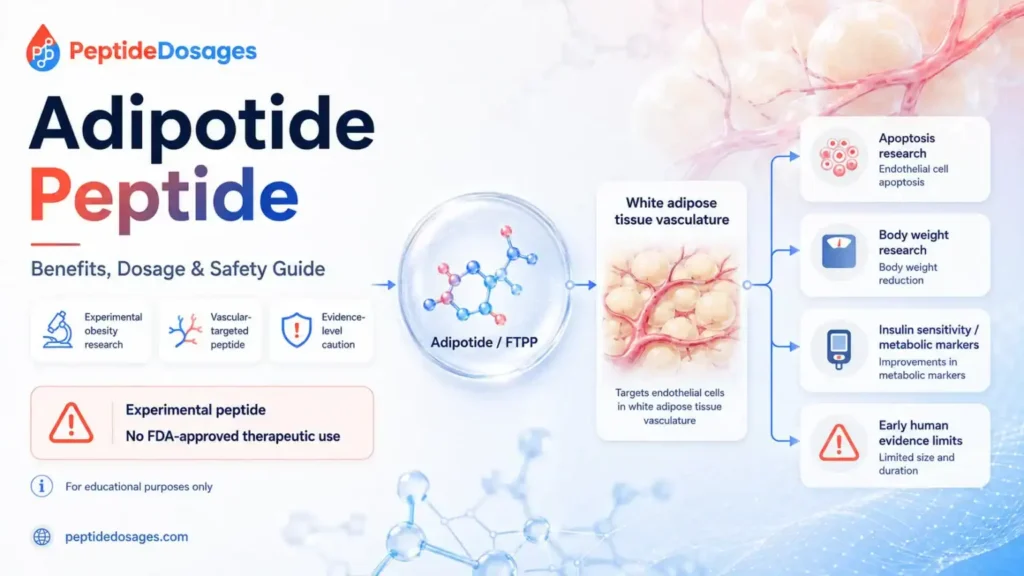
Adipotide peptide is an experimental prohibitin-targeting peptidomimetic also known as FTPP or Prohibitin-TP01, studied because it was designed to bind
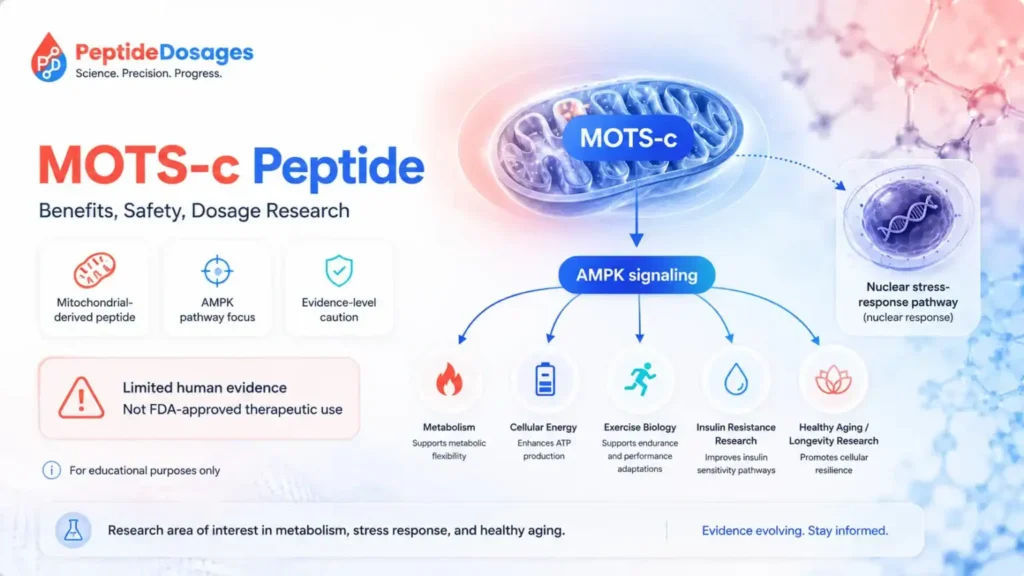
MOTS-c peptide is a small mitochondrial-derived peptide studied for its possible role in metabolism, cellular energy sensing, exercise adaptation, and
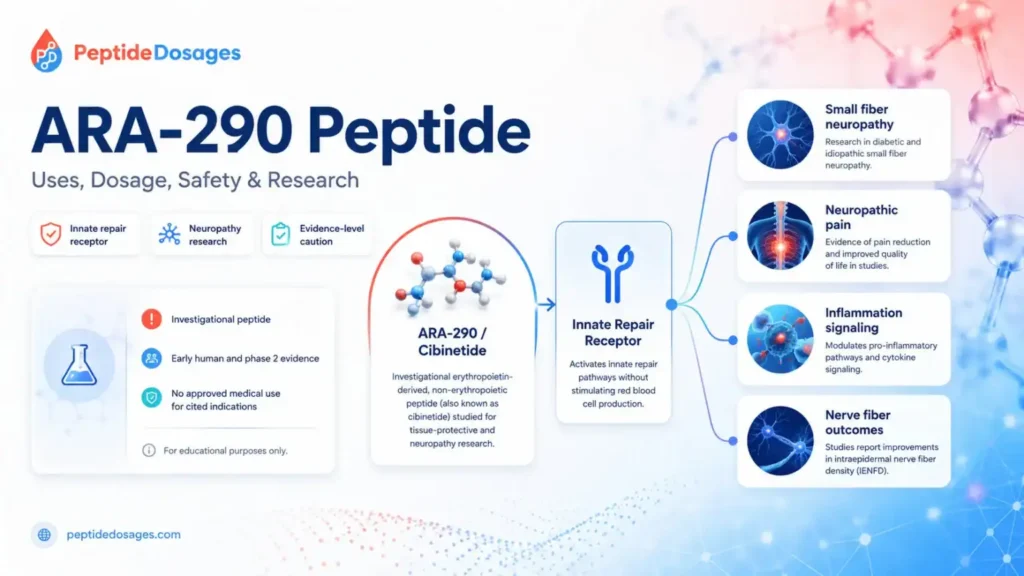
ARA-290 peptide, also called cibinetide, is an investigational erythropoietin-derived peptide studied for nerve-related and inflammatory conditions, especially small fiber neuropathy
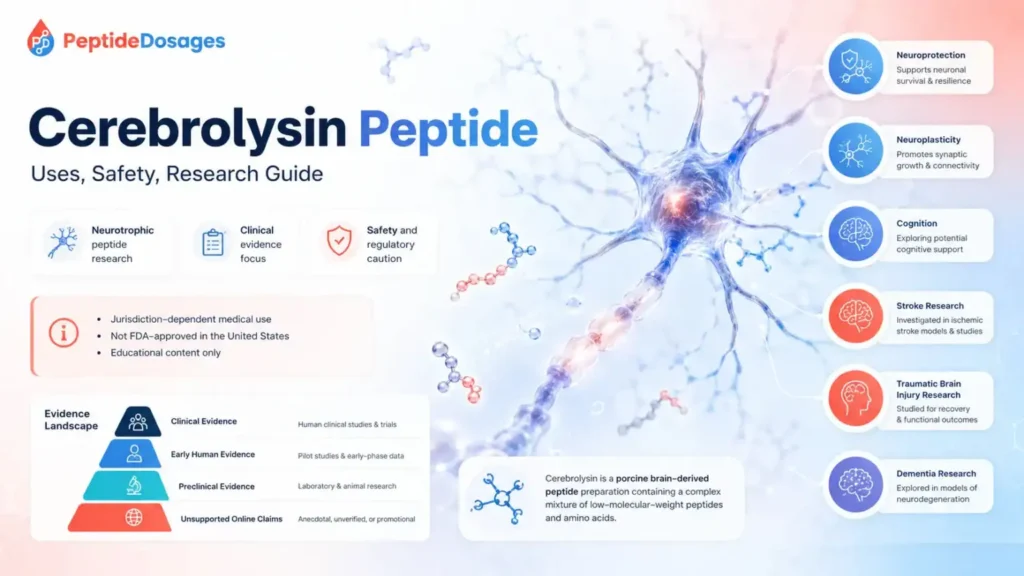
Cerebrolysin Peptide is best understood as a porcine brain-derived peptide preparation rather than a single synthetic peptide sequence; FDA’s UNII
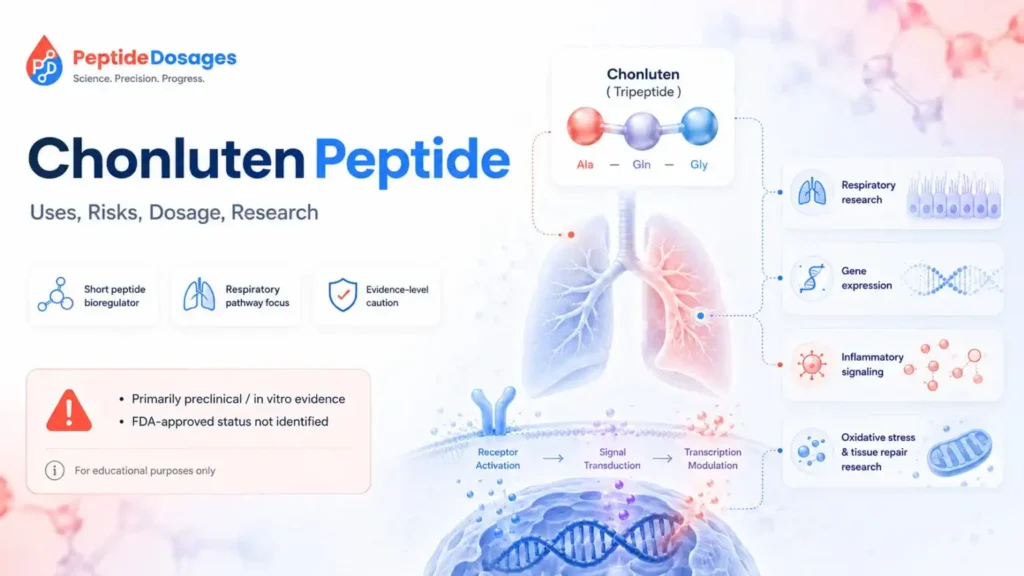
Chonluten peptide is a short peptide bioregulator discussed in relation to lung, bronchial, and inflammatory research, not as an FDA-approved
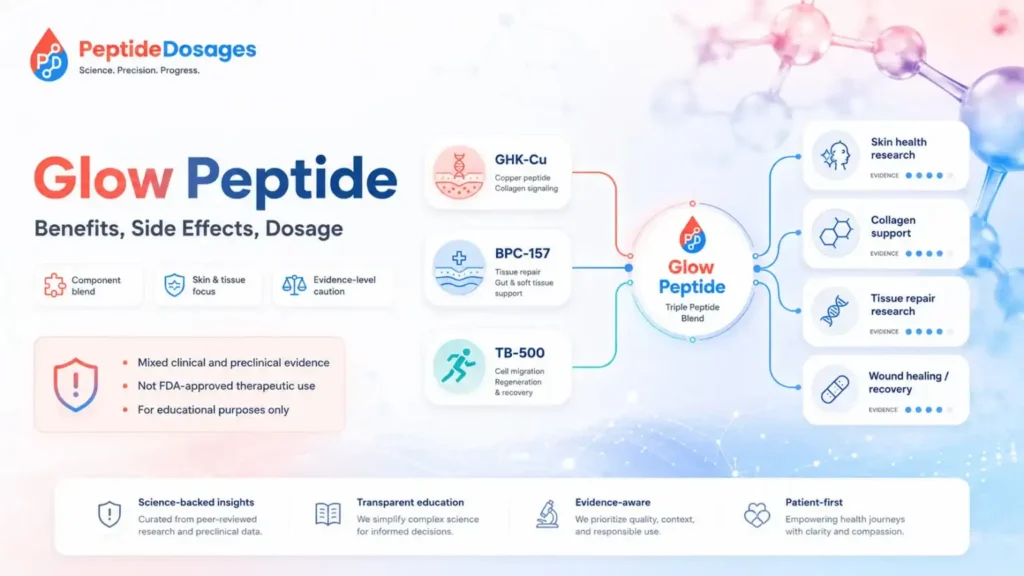
Glow peptide is a wellness-market term most often used for a peptide stack that includes GHK-Cu, BPC-157, and TB-500 rather
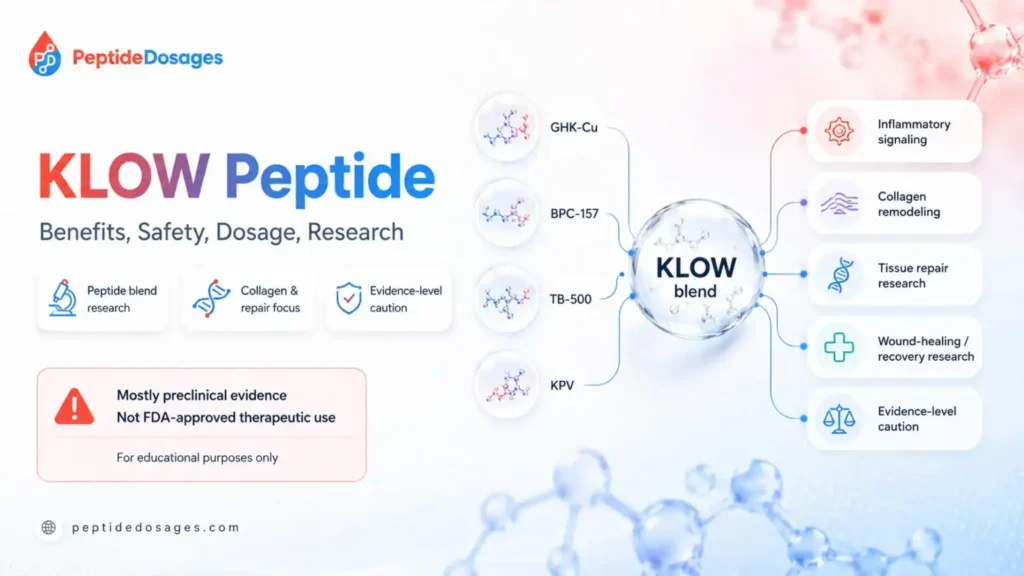
KLOW peptide is an educational search term commonly used for a proposed multi-peptide blend rather than one standardized drug molecule.

SLU-PP-332 peptide is a common search phrase for a research compound discussed in exercise-mimetic and metabolic science, but published descriptions
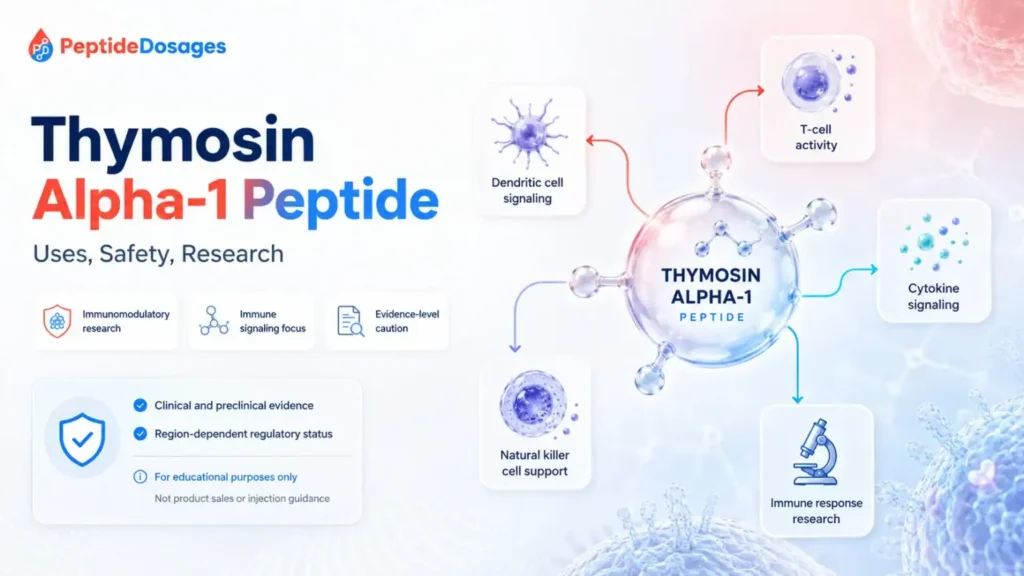
Thymosin Alpha-1 peptide is a synthetic version of thymosin alpha 1, a 28-amino acid peptide originally identified from thymic extracts