
MGF (5 mg Vial) Dosage Protocol
- Table of Contents
- 5-Amino-1MQ Dosage Chart
- Dosing & Reconstitution Guide
- Subcutaneous Protocol (2 mL = 5 mg/mL)
- Reconstitution Steps
- Supplies Needed
- Protocol Overview
- Dosing Protocol
- Storage Instructions
- Important Notes
- How This Works
- Potential Benefits & Side Effects
- Lifestyle Factors
- Injection Technique
- References
- Additional Research and Background
MGF Dosage Chart
MGF is dosed at 100 mcg–300 mcg daily via subcutaneous injection in educational protocols. A 5 mg vial reconstituted with bacteriostatic water yields about 1.67 mg/mL. This information is for research and educational use only.
- Reconstitute: Add 3.0 mL bacteriostatic water → ~1.67 mg/mL concentration.
- Typical daily range: 100–300 mcg once daily (gradual titration).
- Easy measuring: At 1.67 mg/mL, 1 unit = 0.01 mL ≈ 16.7 mcg on a U‑100 insulin syringe.
- Storage: Lyophilized: freeze at −20 °C (−4 °F); after reconstitution, refrigerate at 2–8 °C (35.6–46.4 °F); use within ~30 days.

Mechano Growth Factor (MGF) is a splice variant of IGF‑1 (IGF‑1Ec in humans) produced in response to mechanical stress and tissue damage[1][2]. Research indicates MGF plays a role in muscle repair, satellite cell activation, and bone regeneration[3][4]. This educational protocol presents a once‑daily subcutaneous approach using a practical dilution for clear insulin‑syringe measurements.
Research context: For evidence on mechanisms, human and preclinical research, limitations, and safety, read What is MGF? A Clear Guide to Mechano Growth Factor (MGF).
Dosing & Reconstitution Guide
Educational guide for reconstitution and daily dosing
Standard / Gradual Approach (3 mL = ~1.67 mg/mL)
Week
Daily Dose (mcg)
Units (per injection) (mL)
| Week 1 | 100 mcg (0.1 mg) | 6 units (0.06 mL) |
| Week 2 | 150 mcg (0.15 mg) | 9 units (0.09 mL) |
| Week 3 | 200 mcg (0.2 mg) | 12 units (0.12 mL) |
| Week 4 | 250 mcg (0.25 mg) | 15 units (0.15 mL) |
| Weeks 5–8 | 300 mcg (0.3 mg) | 18 units (0.18 mL) |
Frequency: Inject once daily subcutaneously. This schedule uses the largest practical dilution (3.0 mL) to keep per‑injection units manageable for accuracy. For ≤10‑unit (≤0.10 mL) administrations during early titration, consider 30‑ or 50‑unit insulin syringes for improved readability.
Reconstitution Steps
- Draw 3.0 mL bacteriostatic water with a sterile syringe.
- Inject slowly down the vial wall; avoid foaming.
- Gently swirl/roll until dissolved (do not shake).
- Label and refrigerate at 2–8 °C (35.6–46.4 °F), protected from light; use within approximately 30 days[5].
Important: This guide is for educational purposes only and is not medical advice. For research use only. Not for human consumption.
Supplies Needed
Plan based on an 8–16 week daily protocol with gradual titration.
- Peptide Vials (MGF, 5 mg each):
- 8 weeks ≈ 3 vials
- 12 weeks ≈ 5 vials
- 16 weeks ≈ 8 vials
- Insulin Syringes (U‑100):
- Per week: 7 syringes (1/day)
- 8 weeks: 56 syringes
- 12 weeks: 84 syringes
- 16 weeks: 112 syringes
- Bacteriostatic Water (10 mL bottles): Use ~3.0 mL per vial for reconstitution.
- 8 weeks (3 vials): 9 mL → 1 × 10 mL bottle
- 12 weeks (5 vials): 15 mL → 2 × 10 mL bottles
- 16 weeks (8 vials): 24 mL → 3 × 10 mL bottles
- Alcohol Swabs: One for the vial stopper + one for the injection site each day.
- Per week: 14 swabs (2/day)
- 8 weeks: 112 swabs → recommend 2 × 100‑count boxes
- 12 weeks: 168 swabs → recommend 2 × 100‑count boxes
- 16 weeks: 224 swabs → recommend 3 × 100‑count boxes

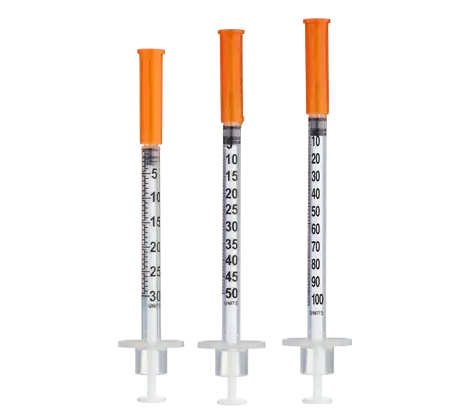
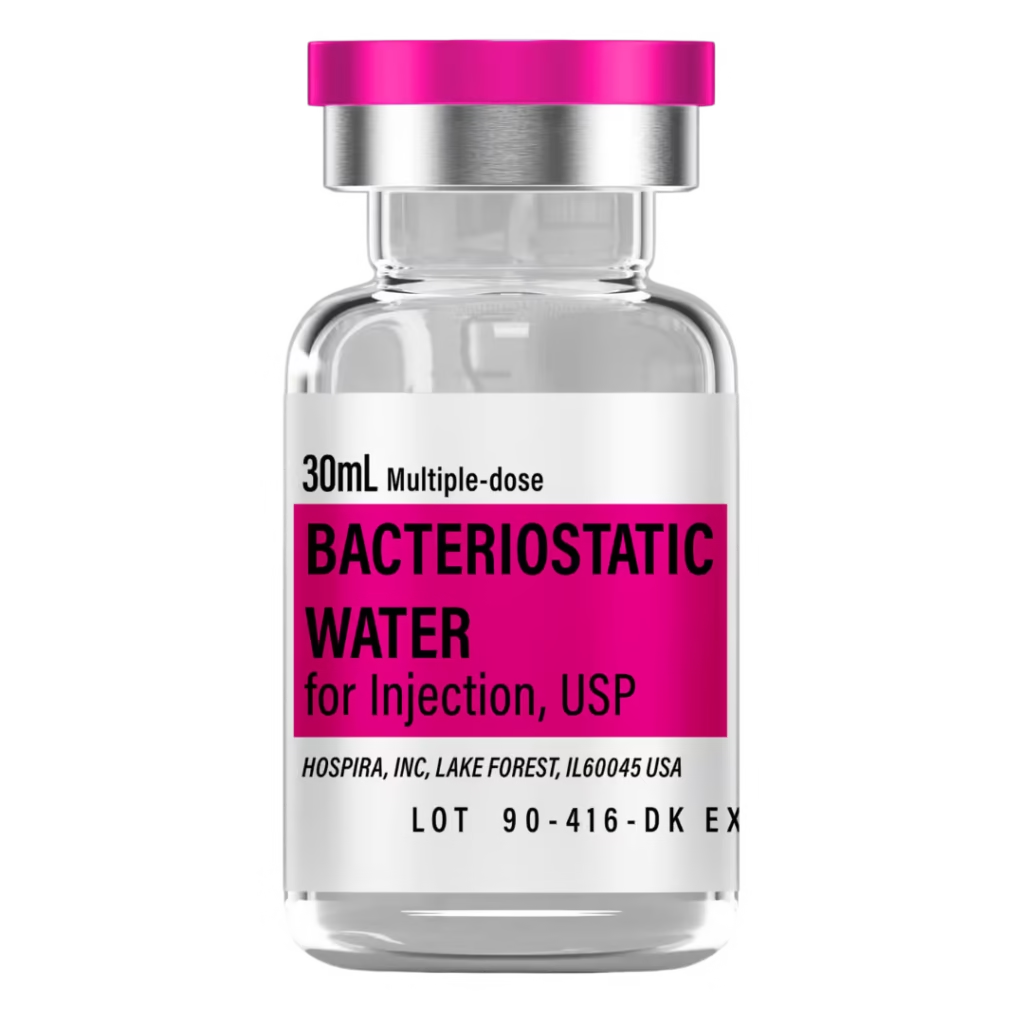

Protocol Overview
Concise summary of the once‑daily regimen.
- Goal: Support tissue repair and regenerative processes through localized growth factor signaling[3][4].
- Schedule: Daily subcutaneous injections for 8–12 weeks (extend to 16 weeks if desired).
- Dose Range: 100–300 mcg daily with gradual titration.
- Reconstitution: 3.0 mL per 5 mg vial (~1.67 mg/mL) for accurate unit measurements.
- Storage: Lyophilized frozen; reconstituted refrigerated; avoid repeated freeze–thaw.
Dosing Protocol
Suggested daily titration approach.
- Start: 100 mcg daily; increase by ~50 mcg weekly as tolerated.
- Target: 250–300 mcg daily by Weeks 4–8.
- Frequency: Once per day (subcutaneous).
- Cycle Length: 8–12 weeks; optional extension to 16 weeks.
- Timing: Any consistent time; rotate injection sites.
Storage Instructions
Proper storage preserves peptide quality[5][6].
- Lyophilized: Store at −20 °C (−4 °F) or colder for long‑term; refrigerate at 4 °C (39.2 °F) for short‑term.
- Reconstituted: Refrigerate at 2–8 °C (35.6–46.4 °F); use within approximately 30 days; avoid freeze–thaw cycles.
- Allow vials to reach room temperature before opening to reduce condensation uptake.
Important Notes
Practical considerations for consistency and safety.
- Use new sterile insulin syringes; dispose in a sharps container.
- Rotate injection sites (abdomen, thighs, upper arms) to reduce local irritation[7].
- Inject slowly; wait a few seconds before withdrawing the needle.
- Document daily dose and site rotation to maintain consistency.
- MGF has a short half‑life; PEGylated forms (PEG‑MGF) offer extended duration but follow different protocols[2].
How This Works
MGF is generated through alternative splicing of the IGF‑1 gene in response to mechanical loading or tissue injury[1][2]. The resulting peptide contains a unique C‑terminal E domain that distinguishes it from systemic IGF‑1. Preclinical research demonstrates MGF activates satellite cells (muscle stem cells), promotes osteoblast proliferation, and supports neurogenesis[3][4][8]. These effects appear to be localized and transient, suggesting MGF acts primarily as a tissue‑specific repair signal rather than a systemic growth factor.
Potential Benefits & Side Effects
Observations from preclinical literature (no formal human clinical trials have been completed).
- Promotes satellite cell activation and myoblast proliferation in muscle tissue[1][9].
- Supports bone defect healing and osteoblast activity in animal models[3].
- May promote neurogenesis and neuroprotection in aging brain tissue[8].
- Generally well tolerated in preclinical settings; occasional mild injection‑site reactions may occur with subcutaneous administration.
- Long‑term safety data in humans is limited; preclinical models suggest localized rather than systemic effects.
Lifestyle Factors
Complementary strategies for best outcomes.
- Pair with resistance training to provide the mechanical stimulus that naturally upregulates MGF expression[1].
- Ensure adequate protein intake (1.6–2.2 g/kg) to support tissue repair processes.
- Prioritize sleep and recovery; growth factor activity is enhanced during rest periods.
- Manage inflammation through balanced nutrition to optimize the repair environment.
Injection Technique
General subcutaneous guidance from clinical best‑practice resources[10].
- Clean the vial stopper and skin with alcohol; allow to dry.
- Pinch a skinfold; insert the needle at 45–90° into subcutaneous tissue[7][11].
- Do not aspirate for subcutaneous injections; inject slowly and steadily[7].
- Rotate sites systematically (abdomen, thighs, upper arms) by at least 1–1.5 inches from prior sites to avoid irritation[11].
- Use 23–25 gauge, 5/8‑inch needles for subcutaneous administration[7].
Important Note
This content is for educational purposes only and is not medical advice.
References
PLOS ONE (2013)
— Insulin‑like growth factor I (IGF‑1) Ec/Mechano Growth Factor: splice variant characterization within the growth plate
Journal of Molecular Endocrinology (2003)
— Expression of IGF‑I splice variants and structural genes in repair of rabbit tendon
International Orthopaedics (2011)
— Mechano growth factor E peptide promotes osteoblast proliferation and bone‑defect healing in rabbits
Journal of Physiology (2003)
— Mechano growth factor and other IGF‑I splice variants: expression and possible functions
View Source
Sigma‑Aldrich
— Storage and handling of synthetic peptides (stability and reconstitution guidelines)
R&D Systems
— Recombinant human LR3 IGF‑I protein datasheet (storage and stability recommendations)
CDC (Subcut Injection PDF)
— Vaccine administration: subcutaneous injection technique and site guidance
Molecular Brain (2017)
— Mechano growth factor promotes neurogenesis in the aging mouse brain
Experimental Cell Research (2008)
— MGF E‑peptide activates human muscle satellite cells
Subcutaneous Drug Injection Review (PMC)
— Pharmacologic considerations of the subcutaneous route
Johns Hopkins Arthritis Center
— How to give a subcutaneous injection (site rotation and technique)
Related research, protocols, and guides
Explore the available research context, protocol variants or comparisons, and practical guides. When vial-size variants exist, they remain separate because vial strength, concentration, and syringe-unit calculations can differ. Related compounds and blends are comparisons only, not interchangeable.
Other vial-size protocols
Evidence: Dosing and safety sources are linked·Editorial standards & corrections