
Pinealon (20 mg Vial) Dosage Protocol
- Table of Contents
- 5-Amino-1MQ Dosage Chart
- Dosing & Reconstitution Guide
- Subcutaneous Protocol (2 mL = 5 mg/mL)
- Reconstitution Steps
- Supplies Needed
- Protocol Overview
- Dosing Protocol
- Storage Instructions
- Important Notes
- How This Works
- Potential Benefits & Side Effects
- Lifestyle Factors
- Injection Technique
- References
- Additional Research and Background
Pinealon Dosage Chart
Pinealon is dosed at 1 mg–2 mg daily via subcutaneous injection in educational protocols. A 20 mg vial reconstituted with bacteriostatic water yields about 6.67 mg/mL. This information is for research and educational use only.
- Reconstitute: Add 3.0 mL bacteriostatic water → ~6.67 mg/mL concentration.
- Typical daily range: 1.0–2.0 mg once daily for 10–20 day cycles.
- Easy measuring: At 6.67 mg/mL, 1 unit = 0.01 mL ≈ 66.7 mcg on a U‑100 insulin syringe.
- Storage: Lyophilized: freeze at −20 °C (−4 °F); after reconstitution, refrigerate at 2–8 °C (35.6–46.4 °F); avoid freeze–thaw cycles.
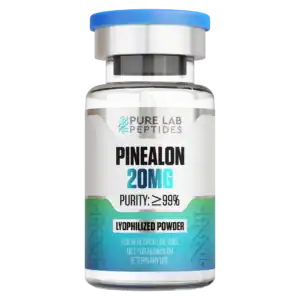
Pinealon is a synthetic tripeptide bioregulator (Glu‑Asp‑Arg) developed as part of Professor Vladimir Khavinson’s extensive peptide research program[1][2]. This neuroprotective peptide is studied for its ability to protect neurons from oxidative stress, support cognitive function, and modulate gene expression in brain tissue[3][4]. This educational protocol presents a once‑daily subcutaneous approach using a practical dilution for clear insulin‑syringe measurements.
Related research: For distinct compound, component, or formulation evidence and safety context, read What Is Neuroxelin? An Evidence-Based Guide to the Peptide Blend. These links are comparisons only; the compounds and formulations should not be treated as interchangeable.
Dosing & Reconstitution Guide
Educational guide for reconstitution and daily dosing
Standard Approach (3 mL = ~6.67 mg/mL)
Days
Daily Dose
Units (per injection) (mL)
| Days 1–5 | 1.0 mg (1,000 mcg) | 15 units (0.15 mL) |
| Days 6–14 | 1.5 mg (1,500 mcg) | 22.5 units (0.225 mL) |
| Days 15–20 | 2.0 mg (2,000 mcg) | 30 units (0.30 mL) |
Frequency: Inject once daily subcutaneously, preferably in the morning or early afternoon. Standard cycles are 10–20 days, with the option to extend to 28 days if desired[5][6]. Repeat cycles can be administered every 2–3 months as needed.
Reconstitution Steps
- Draw 3.0 mL bacteriostatic water with a sterile syringe.
- Inject slowly down the vial wall; avoid foaming.
- Gently swirl/roll until dissolved (do not shake).
- Label and refrigerate at 2–8 °C (35.6–46.4 °F), protected from light.
Important: This guide is for educational purposes only and is not medical advice. For research use only. Not for human consumption.
Supplies Needed
Plan based on standard 10–20 day cycles with once‑daily administration.
- Peptide Vials (Pinealon, 20 mg each):
- 10‑day cycle ≈ 1 vial
- 20‑day cycle ≈ 2 vials
- 28‑day cycle ≈ 3 vials
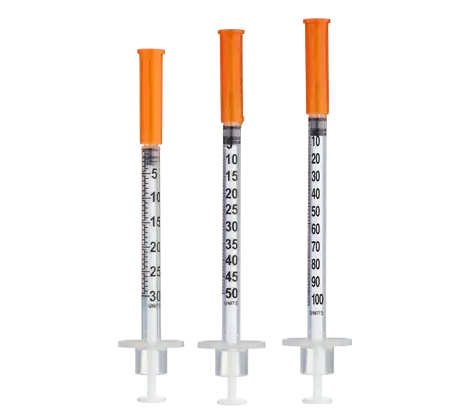
- Insulin Syringes (U‑100):
- Per day: 1 syringe
- 10‑day cycle: 10 syringes
- 20‑day cycle: 20 syringes
- 28‑day cycle: 28 syringes
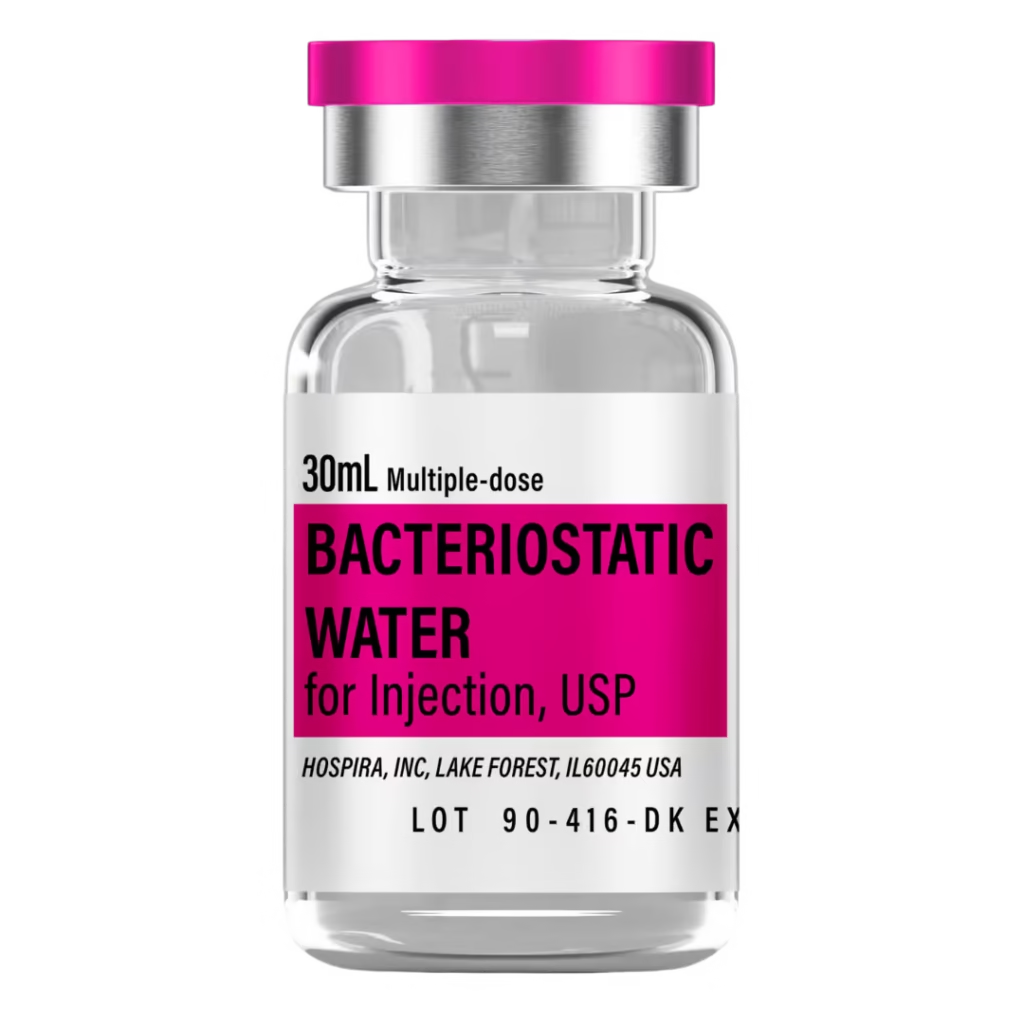
- Bacteriostatic Water (10 mL bottles): Use 3.0 mL per vial for reconstitution.
- 10‑day cycle (1 vial): 3 mL → 1 × 10 mL bottle
- 20‑day cycle (2 vials): 6 mL → 1 × 10 mL bottle
- 28‑day cycle (3 vials): 9 mL → 1 × 10 mL bottle
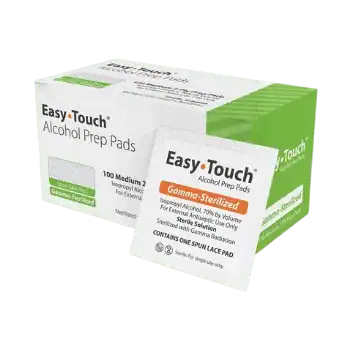
- Alcohol Swabs: One for the vial stopper + one for the injection site each day.
- Per day: 2 swabs
- 10‑day cycle: 20 swabs
- 20‑day cycle: 40 swabs
- 28‑day cycle: 56 swabs → recommend 1 × 100‑count box
Protocol Overview
Concise summary of the once‑daily regimen.
- Goal: Support neuroprotection, cognitive function, and cellular resilience in brain tissue through peptide bioregulation[3][7].
- Schedule: Daily subcutaneous injections for 10–20 days (extendable to 28 days).
- Dose Range: 1.0–2.0 mg daily with gradual titration.
- Reconstitution: 3.0 mL per 20 mg vial (~6.67 mg/mL) for accurate unit measurements.
- Storage: Lyophilized frozen; reconstituted refrigerated; avoid repeated freeze–thaw.
Dosing Protocol
Suggested daily titration approach.
- Start: 1.0 mg daily for Days 1–5 to assess tolerance.
- Increase: 1.5 mg daily for Days 6–14.
- Target: 2.0 mg daily for Days 15–20 (or up to Day 28 if extending cycle).
- Frequency: Once per day (subcutaneous), preferably morning or early afternoon.
- Cycle Length: Standard 10–20 days; repeat cycles every 2–3 months.
- Timing: Consistent daily timing; rotate injection sites.
Storage Instructions
Proper storage preserves peptide quality.
- Lyophilized: Store at −20 °C (−4 °F) in dry, dark conditions; minimize moisture exposure.
- Reconstituted: Refrigerate at 2–8 °C (35.6–46.4 °F); prepare aliquots if needed and avoid freeze–thaw.
- Allow vials to reach room temperature before opening to reduce condensation uptake.
Important Notes
Practical considerations for consistency and safety.
- Use new sterile insulin syringes; dispose in a sharps container.
- Rotate injection sites (abdomen, thighs, upper arms) to reduce local irritation.
- Inject slowly; wait a few seconds before withdrawing the needle.
- Document daily dose and site rotation to maintain consistency.
- Effects typically become noticeable after 10–14 days of consistent administration[6].
How This Works
EDR/Pinealon has been studied in cell and model systems for possible effects on gene expression and protein synthesis related to neurodegeneration[4]. This is mechanistic evidence and does not establish a clinical dosing schedule. Research indicates it reduces reactive oxygen species accumulation and necrotic cell death in neurons while modulating the cell cycle to activate proliferative pathways[3][8]. Preclinical studies demonstrate neuroprotective effects against oxidative stress, ischemic injury, and cognitive decline, with improvements in memory retention and learning capacity observed in animal models[9][10]. Clinical trials in humans with traumatic brain injury and cerebral disorders have reported improvements in memory, attention, cognitive function, and emotional stability with daily administration of oral or injectable Pinealon[6][11].
Potential Benefits & Side Effects
Observations from preclinical and clinical literature.
- Neuroprotective effects through reduction of oxidative stress and preservation of neuronal viability[3][9].
- Improvements in memory, learning capacity, and cognitive function in both animal and human studies[6][10][11].
- Modulation of caspase‑3 activity may reduce apoptosis in neurons and other tissues[12][13].
- Established pineal physiology links melatonin secretion to the light-dark cycle[14]. Pinealon research should use those measurable circadian endpoints when evaluating pineal-function claims.
- Generally well tolerated; occasional mild injection‑site reactions (redness, itching) may occur with subcutaneous administration[15].
Lifestyle Factors
Complementary strategies for best outcomes.
- Maintain a balanced diet rich in antioxidants and essential nutrients to support neurological health.
- Engage in regular physical activity and cognitive exercises to reinforce brain plasticity.
- Prioritize consistent sleep schedules and stress management practices.
- Consider timing administration in the morning or early afternoon to optimize cognitive benefits throughout the day.
Injection Technique
General subcutaneous guidance from clinical best‑practice resources[16].
- Clean the vial stopper and skin with alcohol; allow to dry.
- Pinch a skinfold; insert the needle at 45–90° into subcutaneous tissue[17][18].
- Do not aspirate for subcutaneous injections; inject slowly and steadily[17].
- Rotate sites systematically (abdomen, thighs, upper arms) to avoid lipohypertrophy[19].
Important Note
This content is intended for therapeutic educational purposes only and does not constitute medical advice, diagnosis, or treatment.
References
Biogerontology (Springer)
— Peptide bioregulation of aging: 35‑year research overview by Khavinson and Anisimov
Advances in Gerontology (Springer)
— Peptide bioregulators as geroprotectors: experimental studies review
Rejuvenation Research
— Pinealon increases cell viability by suppressing ROS and activating proliferation
Khavinson et al., International Journal of Molecular Sciences (2021)
– Peer-reviewed EDR/Pinealon review of possible gene-expression and protein-synthesis mechanisms in neurodegeneration models.
LIVV Natural Medical Review
— Pinealon in neurological disorders: clinical applications and protocols
Innerbody Research
— Pinealon peptide: comprehensive review of benefits, safety, and clinical use
Paragon Sports Medicine
— Pinealon peptide: brain health, memory, and cognitive enhancement research
Core Peptides Research
— Pinealon effects on neuroprotection, cell vitality, and aging processes
PMC (PubMed Central)
— Pinealon protects rat offspring from prenatal hyperhomocysteinemia and cognitive deficits
Doklady Biological Sciences
— Regulatory peptides protect brain neurons from hypoxia in vivo
PubMed
— Effects of synthetic peptides in patients with chronic polymorbidity and organic brain syndrome
Advances in Gerontology (Springer)
— Effects of peptides on behavior and caspase‑3 activity in brain after carotid artery occlusion
Peptide Sciences Research
— Pinealon research: reduction of caspase‑3 and free radical damage
NCBI Bookshelf: Physiology of the Pineal Gland and Melatonin
– Established background on pineal melatonin secretion and light-dark circadian signaling.
Advances in Gerontology
— Clinical efficacy of peptide bioregulators: comprehensive review and safety profile
PMC (Subcutaneous Drug Injection Review)
— Pharmacologic considerations of the subcutaneous route
CDC
— Vaccine administration: subcutaneous route (angle/site; no aspiration)
CDC (Subcut Injection PDF)
— Technique diagram and site guidance for subcutaneous injections
NCBI Bookshelf
— Best practices for injection (asepsis, preparation, and administration)
Related research, protocols, and guides
Explore the available research context, protocol variants or comparisons, and practical guides. When vial-size variants exist, they remain separate because vial strength, concentration, and syringe-unit calculations can differ. Related compounds and blends are comparisons only, not interchangeable.
Research overview
Evidence: Dosing and safety sources are linked·Editorial standards & corrections