
Ara-290 (16 mg Vial) Dosage Protocol
- Table of Contents
- Ara-290 Dosage Chart
- Dosing & Reconstitution Guide
- Standard / Gradual Approach (2.0 mL = 8 mg/mL)
- Reconstitution Steps
- Supplies Needed
- Protocol Overview
- Dosing Protocol
- Storage Instructions
- Important Notes
- How This Works
- Potential Benefits & Side Effects
- Lifestyle Factors
- Injection Technique
- Important Note
- References
- Important Note
Ara-290 Dosage Chart
Ara-290 is dosed at 2 mg–4 mg daily via subcutaneous injection in educational protocols. A 16 mg vial reconstituted with bacteriostatic water yields about 8 mg/mL. This information is for research and educational use only.
- Reconstitute: Add 2.0 mL bacteriostatic water → 8 mg/mL concentration.
- Target dose: 4 mg once daily subcutaneously (after initial 2 mg titration).
- Easy measuring: At 8 mg/mL, 1 unit = 0.01 mL = 80 mcg on a U-100 insulin syringe.
- Storage: Lyophilized: refrigerate at 2–8 °C (35.6–46.4 °F) or freeze at −20 °C (−4 °F); reconstituted: refrigerate and use within 28 days.
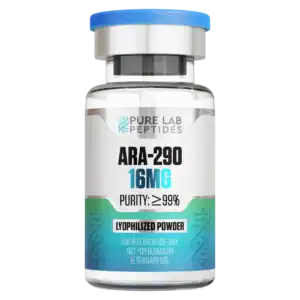
Ara-290 (cibinetide) is an 11–amino acid non-erythropoietic peptide derived from erythropoietin’s helix-B domain[1]. It selectively activates the innate repair receptor (IRR), an EPOR/CD131 heterodimer, to promote anti-inflammatory and tissue-protective effects without stimulating red blood cell production[2]. Clinical trials have demonstrated benefits for diabetic neuropathy and sarcoidosis-related small-fiber neuropathy[3][4].
Research context: For evidence on mechanisms, human and preclinical research, limitations, and safety, read ARA-290 Peptide: Benefits, Uses, Side Effects, Dosage, and Research.
Dosing & Reconstitution Guide
Educational guide for reconstitution and daily dosing
Standard / Gradual Approach (2.0 mL = 8 mg/mL)
Week
Daily Dose
Units (per injection) (mL)
Week 1
2 mg (2,000 mcg)
25 units (0.25 mL)
Weeks 2–8 (or up to 16)
4 mg (4,000 mcg)
50 units (0.50 mL)
Reconstitution Steps
- Draw 2.0 mL bacteriostatic water with a sterile syringe.
- Inject slowly down the vial wall; avoid foaming.
- Gently swirl or roll until fully dissolved (do not shake vigorously).
- Label with reconstitution date and refrigerate at 2–8 °C (35.6–46.4 °F), protected from light.
Important: This guide is for educational purposes only and is not medical advice. For research use only. Not for human consumption.
Supplies Needed
Plan based on an 8–16 week daily protocol with gradual titration (2 mg week 1, then 4 mg daily).
- Peptide Vials (Ara-290, 16 mg each):
- 8 weeks ≈ 14 vials
- 12 weeks ≈ 21 vials
- 16 weeks ≈ 28 vials
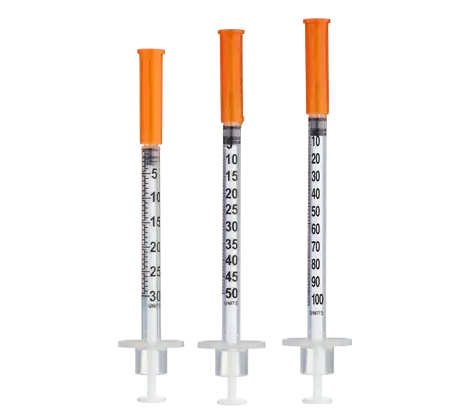
- Insulin Syringes (U-100):
- Per week: 7 syringes (1/day)
- 8 weeks: 56 syringes
- 12 weeks: 84 syringes
- 16 weeks: 112 syringes
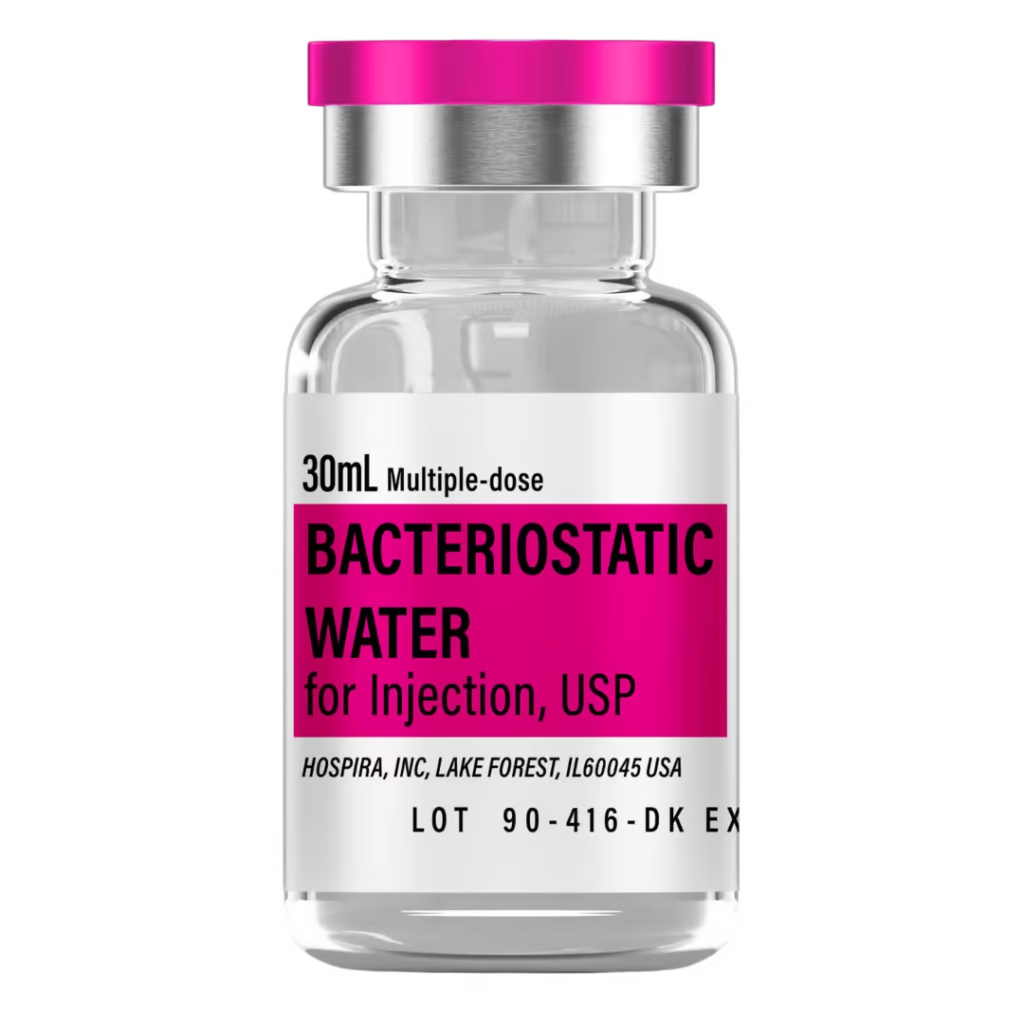
- Bacteriostatic Water (10 mL bottles): Use 2.0 mL per vial for reconstitution.
- 8 weeks (14 vials): 28 mL → 3 × 10 mL bottles
- 12 weeks (21 vials): 42 mL → 5 × 10 mL bottles
- 16 weeks (28 vials): 56 mL → 6 × 10 mL bottles
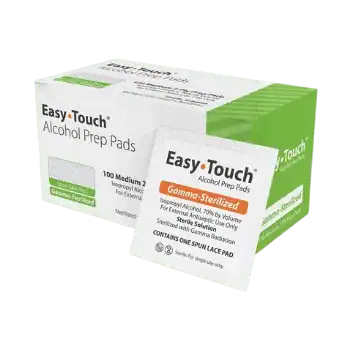
- Alcohol Swabs: One for the vial stopper + one for the injection site each day.
- Per week: 14 swabs (2/day)
- 8 weeks: 112 swabs → recommend 2 × 100-count boxes
- 12 weeks: 168 swabs → recommend 2 × 100-count boxes
- 16 weeks: 224 swabs → recommend 3 × 100-count boxes
Protocol Overview
-
Concise summary of the once-daily regimen based on clinical trial designs.
- Goal: Support tissue protection, anti-inflammatory signaling, and neuropathic symptom management via IRR activation[2].
- Schedule: Daily subcutaneous injections for 4–8 weeks (clinical trials used 28-day protocols; extension to 8–16 weeks based on individual response).
- Dose Range: 2–4 mg daily; 4 mg is the established target dose.
- Reconstitution: 2.0 mL per 16 mg vial (8 mg/mL) for accurate unit measurements.
- Storage: Lyophilized refrigerated or frozen; reconstituted refrigerated up to 28 days.
Dosing Protocol
Suggested daily titration approach reflecting clinical study parameters.
- Start: 2 mg daily during week 1 to assess tolerance.
- Target: 4 mg daily from week 2 onward[3].
- Frequency: Once per day (subcutaneous).
- Cycle Length: 4–8 weeks standard; may extend to 16 weeks based on individual assessment.
- Timing: Any consistent time daily; rotate injection sites.
Storage Instructions
Proper storage preserves peptide integrity and potency.
- Lyophilized: Refrigerate at 2–8 °C (35.6–46.4 °F) for up to 2 years; freeze at −20 °C (−4 °F) for extended storage up to 3 years[6].
- Reconstituted: Refrigerate at 2–8 °C (35.6–46.4 °F); use within 28 days and do not freeze the liquid solution[7].
- Allow vials to reach room temperature before opening to minimize condensation; protect from light.
- Discard if discoloration, cloudiness, or particulate matter is observed.
Important Notes
Practical considerations for consistency and safety.
- Use a new sterile insulin syringe for each injection; dispose in a sharps container.
- Rotate injection sites (abdomen, thighs, upper arms) to reduce local irritation and prevent lipohypertrophy[8].
- Inject slowly; wait a few seconds before withdrawing the needle.
- Document daily dose and injection site to maintain consistency.
- No clinically significant adverse effects were reported at 4 mg/day in 28-day clinical trials[3].
How This Works
Ara-290 (cibinetide) binds to the innate repair receptor (IRR), a heterodimer of EPOR and CD131 (βc subunit), which is distinct from the classical erythropoietin receptor[1][2]. This selective binding triggers anti-apoptotic and anti-inflammatory signaling cascades that protect tissues and promote repair without stimulating erythropoiesis[9]. Preclinical research demonstrates that Ara-290 can reprogram a pro-inflammatory, tissue-damaging environment into one favoring healing and regeneration[10]. Additionally, analgesic effects have been observed through immunomodulation and direct inhibition of TRPV1 ion channels activated by capsaicin[11].
Potential Benefits & Side Effects
Observations from preclinical and clinical literature.
- Neuroprotection: Clinical trials in diabetic neuropathy showed improvements in HbA1c, lipid profiles, and neuropathic pain scores with 4 mg daily dosing[3].
- Nerve regeneration: In sarcoidosis-associated small-fiber neuropathy, treatment led to significant increases in corneal nerve fiber density (objective nerve regrowth) and improved symptoms compared to placebo[4].
- Tissue protection: Anti-inflammatory and anti-apoptotic effects observed across multiple organ systems in preclinical models[9].
- No erythropoietic effects: Unlike full EPO, Ara-290 does not stimulate red blood cell production, avoiding related side effects[2].
- Tolerability: Well tolerated in clinical studies; occasional mild injection-site reactions (redness, transient discomfort) may occur with subcutaneous administration.
Lifestyle Factors
Complementary strategies that may support therapeutic goals.
- Optimize glycemic control through diet and medication adherence if addressing diabetic neuropathy.
- Incorporate regular physical activity appropriate to individual capacity to support nerve health and circulation.
- Prioritize adequate sleep and stress management to support tissue repair processes.
- Avoid smoking and limit alcohol consumption, both of which can exacerbate neuropathic conditions.
Injection Technique
General subcutaneous guidance from clinical best-practice resources[8][12].
- Clean the vial stopper and injection site with alcohol swabs; allow to dry completely.
- Select a fatty subcutaneous site: lower abdomen (at least 2 inches from navel), outer thigh, or back of upper arm[12].
- Pinch a skinfold; insert the needle at 45–90° into subcutaneous tissue[13].
- Aspiration is not required for subcutaneous injections; inject slowly and steadily[13].
- Rotate sites systematically with each dose to avoid lipohypertrophy and local tissue changes[8].
- After injection, withdraw the needle and apply gentle pressure with clean gauze; do not rub the site.
Important Note
This content is intended for therapeutic educational purposes only and does not constitute medical advice, diagnosis, or treatment.
References
IUPHAR/BPS Guide to Pharmacology
— Cibinetide (ARA-290) ligand profile: structure, receptor binding, and pharmacology
Molecular Medicine (2008)
— Brines & Cerami: Discovery and development of the innate repair receptor and its non-erythropoietic ligands
Molecular Medicine (2014)
— Brines M. et al.: ARA 290 improves metabolic control and neuropathic symptoms in patients with type 2 diabetes
Molecular Medicine (2013)
— Dahan A. et al.: ARA 290 improves symptoms in sarcoidosis-associated small nerve fiber loss and increases corneal nerve fiber density
ClinicalTrials.gov (NCT02039687)
— Phase 2 study of ARA 290 on corneal nerve fiber density in sarcoidosis (1 mg vs 4 mg vs 8 mg daily SC for 28 days)
NCBI Bookshelf
— Stability and storage considerations for lyophilized peptide formulations
USP General Chapters
— Pharmaceutical compounding with bacteriostatic water: stability and beyond-use dating
Cleveland Clinic
— Subcutaneous injections: where and how to administer at home
Pain Reports (2017)
— Davis T. et al.: Targeting the innate repair receptor to treat neuropathy (review of ARA-290 mechanisms)
Investigative Ophthalmology & Visual Science (2016)
— Cibinetide improves corneal nerve fiber abundance in patients with sarcoidosis-associated small fiber neuropathy
Peptides Journal (2016)
— Zhang W. et al.: ARA 290 relieves pathophysiological pain by targeting TRPV1 channel
Johns Hopkins Arthritis Center
— How to give a subcutaneous injection: patient guide
CDC
— Vaccine administration: subcutaneous route (angle, site, and technique guidance)
Additional Research and Background
These sources provide related context and are not presented as support for a specific statement above.
PMC Subcutaneous Drug Delivery Review
— Pharmacologic considerations of the subcutaneous injection route
Related research, protocols, and guides
Explore the available research context, protocol variants or comparisons, and practical guides. When vial-size variants exist, they remain separate because vial strength, concentration, and syringe-unit calculations can differ. Related compounds and blends are comparisons only, not interchangeable.
Evidence: Dosing and safety sources are linked·Editorial standards & corrections