
GHRP-2 (10 mg Vial) Dosage Protocol
- Table of Contents
- GHRP-2 Dosage Chart
- Dosing & Reconstitution Guide
- Standard / Gradual Approach (3 mL = ~3.33 mg/mL)
- Reconstitution Steps
- Advanced / Aggressive Approach (Multiple Daily Dosing)
- Supplies Needed
- Protocol Overview
- Dosing Protocol
- Storage Instructions
- Important Notes
- How This Works
- Potential Benefits & Side Effects
- Potential Side Effects
- Lifestyle Factors
- Injection Technique
- Important Note
- References
- Additional Research and Background
GHRP-2 Dosage Chart
GHRP-2 is dosed at 100 mcg–300 mcg daily via subcutaneous injection in educational protocols. A 10 mg vial reconstituted with bacteriostatic water yields about 3.33 mg/mL. This information is for research and educational use only.
- Reconstitute: Add 3.0 mL bacteriostatic water → ~3.33 mg/mL concentration.
- Typical daily range: 100–300 mcg once daily (gradual titration).
- Easy measuring: At 3.33 mg/mL, 1 unit ≈ 33.3 mcg on a U‑100 insulin syringe.
- Storage: Lyophilized: freeze at −20 °C (−4 °F); after reconstitution, refrigerate at 2–8 °C (35.6–46.4 °F); avoid freeze–thaw cycles.
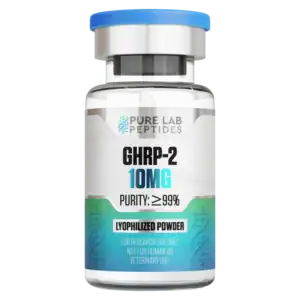
GHRP-2 (pralmorelin) is a synthetic hexapeptide that potently stimulates growth hormone release by activating ghrelin receptors in the pituitary and hypothalamus[1][2]. It has been used in clinical research as a diagnostic GH stimulant and in investigative treatment protocols for growth hormone deficiency[3]. This educational protocol presents a once‑daily subcutaneous approach using a practical dilution for clear insulin‑syringe measurements.
Research context: For evidence on mechanisms, human and preclinical research, limitations, and safety, read What Is GHRP-2? Mechanism, Benefits, Risks, and Alternatives.
Dosing & Reconstitution Guide
Educational guide for reconstitution and daily dosing
Standard / Gradual Approach (3 mL = ~3.33 mg/mL)
Week
Daily Dose (mcg)
Units (per injection) (mL)
Weeks 1–2
100 mcg (0.1 mg)
3 units (0.03 mL)
Weeks 3–4
150 mcg (0.15 mg)
4.5 units (0.045 mL)
Weeks 5–8
200 mcg (0.2 mg)
6 units (0.06 mL)
Weeks 9–12 (optional)
250–300 mcg (0.25–0.3 mg)
7.5–9 units (0.075–0.09 mL)
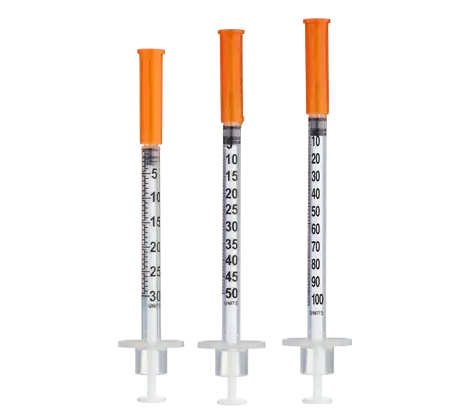
Frequency: Inject once daily subcutaneously, typically before sleep to coincide with natural GH pulsatility[4]. For ≤10‑unit (≤0.10 mL) administrations, consider 30‑ or 50‑unit insulin syringes for improved readability.
Reconstitution Steps
- Draw 3.0 mL bacteriostatic water with a sterile syringe.
- Inject slowly down the vial wall; avoid foaming.
- Gently swirl/roll until dissolved (do not shake).
- Label and refrigerate at 2–8 °C (35.6–46.4 °F), protected from light.
Advanced / Aggressive Approach (Multiple Daily Dosing)
Published human research tested once-daily subcutaneous GHRP-2 over five days and documented response attenuation[4]. Treat the multiple-daily table below as a research calculation model, not as a schedule established by that study.
Phase
Per‑Injection Dose (mcg)
Frequency
Units (per injection) (mL)
Phase 1 (Weeks 1–2)
100 mcg (0.1 mg)
2× daily
3 units (0.03 mL)
Phase 2 (Weeks 3–4)
150 mcg (0.15 mg)
2× daily
4.5 units (0.045 mL)
Phase 3 (Weeks 5–8)
200 mcg (0.2 mg)
2–3× daily
6 units (0.06 mL)
Important: This guide is for educational purposes only and is not medical advice. For research use only. Not for human consumption.
Supplies Needed
Plan based on an 8–16 week daily protocol with gradual titration (once‑daily schedule).
- Peptide Vials (GHRP-2, 10 mg each):
- 8 weeks ≈ 1 vial (~9.1 mg used)
- 12 weeks ≈ 2 vials (~15.4 mg used)
- 16 weeks ≈ 3 vials (~22.4 mg used)
- Insulin Syringes (U‑100, 30‑ or 50‑unit recommended for precision):
- Per week: 7 syringes (1/day)
- 8 weeks: 56 syringes
- 12 weeks: 84 syringes
- 16 weeks: 112 syringes
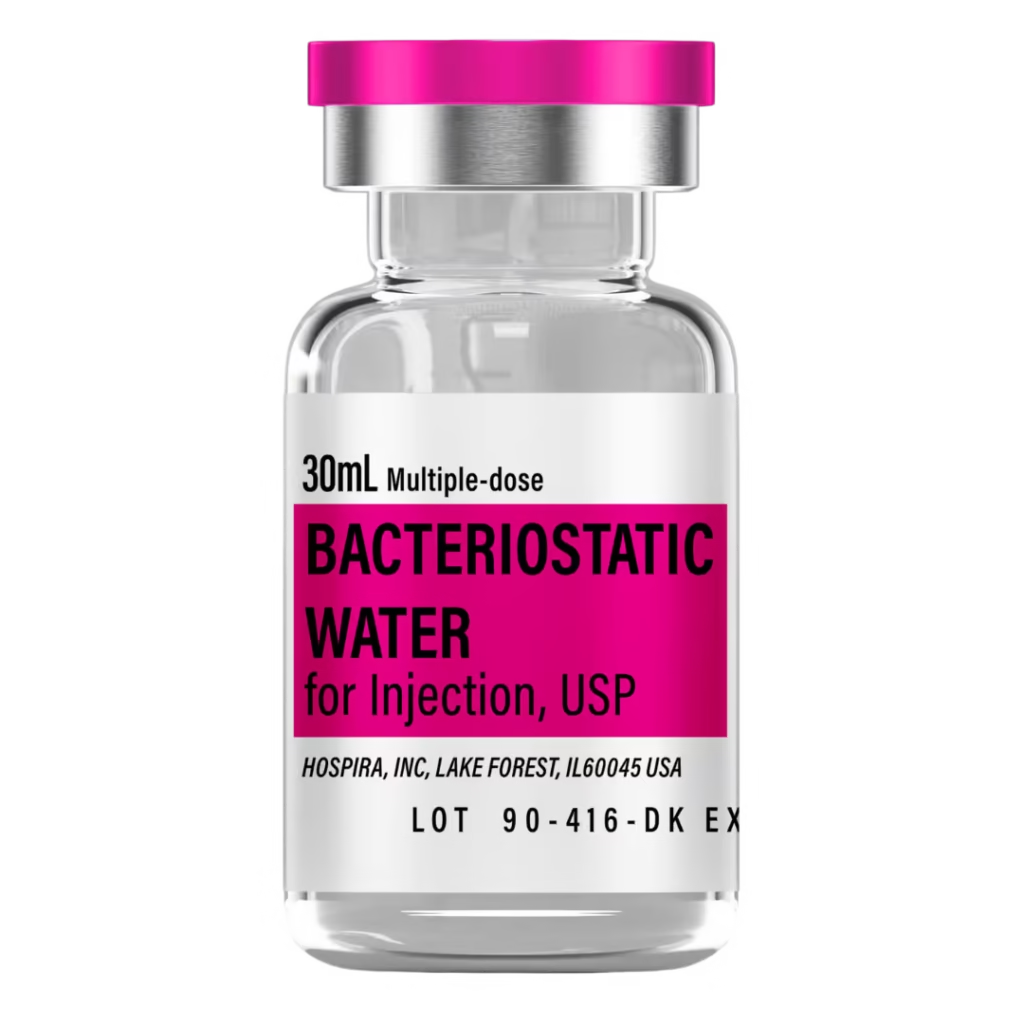
- Bacteriostatic Water (10 mL bottles): Use 3.0 mL per vial for reconstitution.
- 8 weeks (1 vial): 3 mL → 1 × 10 mL bottle
- 12 weeks (2 vials): 6 mL → 1 × 10 mL bottle
- 16 weeks (3 vials): 9 mL → 1 × 10 mL bottle
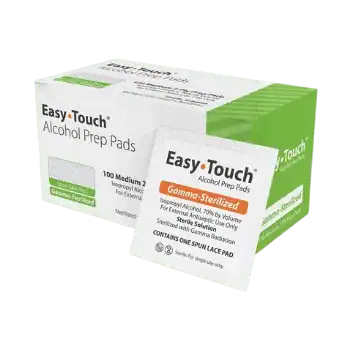
- Alcohol Swabs: One for the vial stopper + one for the injection site each day.
- Per week: 14 swabs (2/day)
- 8 weeks: 112 swabs → recommend 2 × 100‑count boxes
- 12 weeks: 168 swabs → recommend 2 × 100‑count boxes
- 16 weeks: 224 swabs → recommend 3 × 100‑count boxes
- Sharps Container: 1‑quart container holds ~100 syringes; 2‑quart for 16‑week protocols.
Protocol Overview
Concise summary of the once‑daily regimen.
- Goal: Stimulate pulsatile growth hormone release and elevate IGF‑1 levels over time[5].
- Schedule: Daily subcutaneous injections for 8–12 weeks (extend to 16 weeks if desired).
- Dose Range: 100–300 mcg daily with gradual titration.
- Reconstitution: 3.0 mL per 10 mg vial (~3.33 mg/mL) for accurate unit measurements.
- Storage: Lyophilized frozen; reconstituted refrigerated; use within ~4 weeks after reconstitution[8].
Dosing Protocol
Suggested daily titration approach.
- Start: 100 mcg daily; increase by ~50 mcg every 1–2 weeks as tolerated[3].
- Target: 200 mcg daily by Weeks 5–8; optional increase to 250–300 mcg in Weeks 9–12.
- Frequency: Once per day (subcutaneous); advanced protocols may use 2–3× daily.
- Cycle Length: 8–12 weeks; optional extension to 16 weeks with periodic breaks.
- Timing: Typically before sleep or on empty stomach; rotate injection sites.
Storage Instructions
Proper storage preserves peptide quality[8].
- Lyophilized: Store at −20 °C (−4 °F) in dry, dark conditions; stable for 1+ years frozen.
- Reconstituted: Refrigerate at 2–8 °C (35.6–46.4 °F); use within ~4 weeks; avoid freeze–thaw.
- Allow vials to reach room temperature before opening to reduce condensation uptake.
- Use bacteriostatic water (0.9% benzyl alcohol) for multi‑dose reconstitution[9].
Important Notes
Practical considerations for consistency and safety.
- Use new sterile insulin syringes for each injection; dispose in a sharps container[10].
- Rotate injection sites (abdomen, thighs, upper arms) to reduce local irritation[11].
- Inject slowly; wait a few seconds before withdrawing the needle.
- A 5‑days‑on/2‑days‑off schedule may help maintain GH response sensitivity over long protocols[7].
- Document daily dose and site rotation to maintain consistency.
How This Works
GHRP-2 is a growth hormone‑releasing peptide that acts as a ghrelin receptor agonist (GHS‑R1a)[1]. By binding to receptors in both the pituitary and hypothalamus, it triggers robust, pulsatile GH release that mimics natural secretion patterns[2]. Clinical studies have demonstrated that even a single 100 mcg subcutaneous dose can raise GH levels several‑fold above baseline[4]. When administered consistently, GHRP-2 can elevate IGF‑1 levels over weeks to months[5]. However, the GH response may attenuate with continuous daily use (tachyphylaxis), which is why titration strategies and periodic breaks are often incorporated[4][7].
Potential Benefits & Side Effects
Observations from preclinical and clinical literature.
Potential Benefits
- Potent stimulation of endogenous GH release without suppressing natural production[1].
- Elevation of IGF‑1 levels with sustained administration (~50% increase reported in some studies)[5].
- Used clinically as a diagnostic tool for GH deficiency evaluation[3].
- May support recovery, body composition, and sleep quality (anecdotally reported).
Potential Side Effects
- Increased appetite (ghrelin‑mimetic action) — especially pronounced shortly after injection[1].
- Transient flushing, warmth, or tingling at injection site.
- Possible mild increases in cortisol and prolactin at higher doses[6].
- Water retention or joint stiffness with prolonged high‑dose use.
- Response attenuation (tachyphylaxis) with continuous daily dosing[4].
Lifestyle Factors
Complementary strategies for best outcomes.
- Administer on an empty stomach or before sleep to optimize GH pulse amplitude.
- Pair with a balanced, protein‑forward diet tailored to energy needs and recovery goals.
- Combine resistance training and aerobic activity to support GH/IGF‑1 axis benefits.
- Prioritize 7–9 hours of quality sleep to synergize with natural nocturnal GH secretion.
- Manage stress levels, as elevated cortisol can blunt GH response.
Injection Technique
General subcutaneous guidance from clinical best‑practice resources[10][11].
- Clean the vial stopper and skin with alcohol; allow to dry.
- Pinch a skinfold; insert the needle at 45–90° into subcutaneous tissue[11].
- For very lean individuals, use a 45° angle to avoid intramuscular injection[10].
- Inject slowly and steadily; do not aspirate for subcutaneous injections.
- Rotate sites systematically (abdomen at least 2 inches from navel, thighs, upper arms) to avoid lipohypertrophy[11].
- Dispose of used syringes immediately in a sharps container; never recap needles.
Important Note
This content is intended for therapeutic educational purposes only and does not constitute medical advice, diagnosis, or treatment.
References
Pralmorelin (GHRP-2) — Wikipedia
— Overview of GHRP-2 mechanism, ghrelin receptor agonism, and physiological effects
PubMed — Growth hormone response to GHRP-2 (PMC3297037)
— Pituitary and hypothalamic mechanisms of GH release stimulation
Pihoker C. et al. (1995) — J Clin Endocrinol Metab
— Diagnostic studies with IV and intranasal GHRP-2 in children of short stature
Nijland EA. et al. (1998) — Eur J Endocrinol
— Five‑day SC GHRP-2 treatment causes response attenuation in young men
Sigalos JT. et al. (2017) — Am J Mens Health (PMC5675260)
— GH secretagogue therapy raises IGF-1 levels (~50% increase over 3 months)
Arvat et al., Peptides (1997)
– Human study of GHRP-2 effects on GH, prolactin, ACTH, and cortisol after controlled intravenous administration.
Kim KS et al. (2003) — Asian-Australas J Anim Sci
— Twice‑daily GHRP-2 effects on IGF-1 and tachyphylaxis patterns
Sigma-Aldrich — Handling and Storage Guidelines for Peptides
— Lyophilized storage at −20 °C; reconstituted use within 4 weeks
Mountainside Medical — Bacteriostatic Water vs Sterile Water
— Multi‑dose vial guidelines; 28‑day use recommendation
Usach I. et al. (2019) — Adv Ther (PMC6822791)
— Subcutaneous injection of drugs: factors influencing pain and technique
MedlinePlus — Subcutaneous (SQ) Injections
— Site selection, angle guidance, and rotation best practices
Additional Research and Background
These sources provide related context and are not presented as support for a specific statement above.
OncoLink — How To Give a Subcutaneous Injection
— Step‑by‑step technique, pinch method, and disposal guidance
NCBI Bookshelf — Best Practices for Injections
— Asepsis, preparation, and administration standards
GenScript — Peptide Storage and Handling Guidelines
— Long‑term storage recommendations; moisture and temperature control
Related research, protocols, and guides
Explore the available research context, protocol variants or comparisons, and practical guides. When vial-size variants exist, they remain separate because vial strength, concentration, and syringe-unit calculations can differ. Related compounds and blends are comparisons only, not interchangeable.
Research overview
Other vial-size protocols
Related protocols and comparisons
Evidence: Dosing and safety sources are linked·Editorial standards & corrections