
GHRP-6 (10 mg Vial) Dosage Protocol
- Table of Contents
- GHRP-6 Dosage Chart
- Dosing & Reconstitution Guide
- Standard / Gradual Approach (3 mL = ~3.33 mg/mL)
- Reconstitution Steps
- Supplies Needed
- Protocol Overview
- Dosing Protocol
- Storage Instructions
- Important Notes
- How This Works
- Potential Benefits & Side Effects
- Potential Side Effects
- Lifestyle Factors
- Injection Technique
- References
GHRP-6 Dosage Chart
GHRP-6 is dosed at 100 mcg–300 mcg daily via subcutaneous injection in educational protocols. A 10 mg vial reconstituted with bacteriostatic water yields about 3.33 mg/mL. This information is for research and educational use only.
- Reconstitute: Add 3.0 mL bacteriostatic water → ~3.33 mg/mL concentration.
- Typical daily range: 300–900 mcg total (split into 3 doses with gradual titration).
- Easy measuring: At 3.33 mg/mL, 1 unit = 0.01 mL ≈ 33.3 mcg on a U-100 insulin syringe.
- Storage: Lyophilized: freeze at −20 °C (−4 °F); after reconstitution, refrigerate at 2–8 °C (35.6–46.4 °F) and use within 7 days.
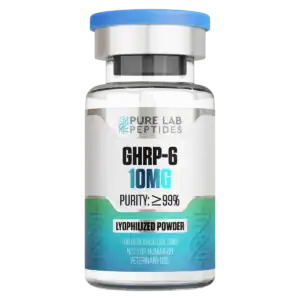
GHRP-6 (Growth Hormone-Releasing Peptide 6) is a synthetic hexapeptide that functions as a potent growth hormone secretagogue by binding to the ghrelin receptor (GHS-R1a)[1][2]. It stimulates pulsatile GH release from the pituitary gland while maintaining physiological feedback controls, resulting in elevated IGF-1 levels and potential anabolic benefits[3]. This educational protocol presents a three-times-daily subcutaneous approach using practical dilution for precise insulin-syringe measurements.
Research context: For evidence on mechanisms, human and preclinical research, limitations, and safety, read GHRP-6 Peptide: Benefits, Uses, Side Effects, Dosage, and Research.
Dosing & Reconstitution Guide
Educational guide for reconstitution and multiple-daily dosing
Standard / Gradual Approach (3 mL = ~3.33 mg/mL)
Week/Phase
Dose per Injection (mcg)
Units (per injection) (mL)
Weeks 1–2
100 mcg
3 units (0.03 mL)
Weeks 3–4
200 mcg
6 units (0.06 mL)
Weeks 5–12
300 mcg
9 units (0.09 mL)
Frequency: Inject three times daily subcutaneously, spaced at least 4 hours apart (morning, midday, bedtime). GHRP-6 has a short half-life of approximately 2.5 hours[4], making multiple daily injections more effective than once-daily dosing for sustained GH elevation[5]. Each injection should be administered on an empty stomach (2–3 hours after meals, 30 minutes before eating) to maximize GH release[6].
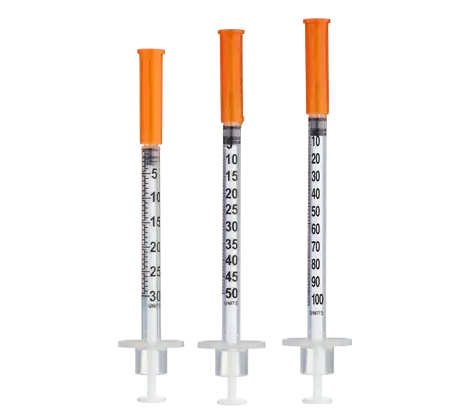
For ≤10-unit (≤0.10 mL) administrations, consider 30- or 50-unit insulin syringes for improved readability.
Reconstitution Steps
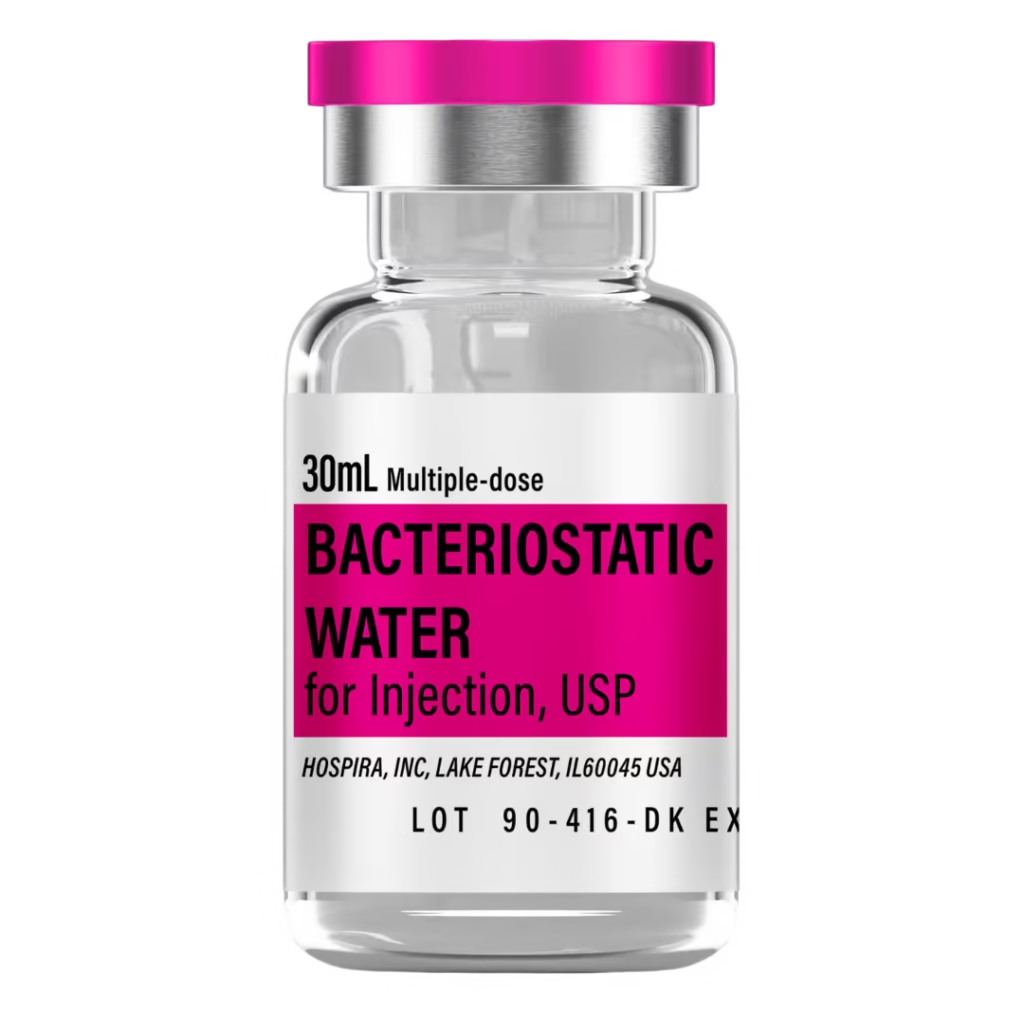
- Draw 3.0 mL bacteriostatic water with a sterile syringe.
- Inject slowly down the vial wall to avoid foaming; do not shake.
- Gently swirl or roll the vial until the powder is completely dissolved.
- Label with date and concentration, then refrigerate at 2–8 °C (35.6–46.4 °F), protected from light.
- Use within 7 days of reconstitution for optimal potency.
Important: This guide is for educational purposes only and is not medical advice. For research use only. Not for human consumption.
Supplies Needed
Plan based on a 12-week protocol with three-times-daily injections and gradual titration.
- Peptide Vials (GHRP-6, 10 mg each):
- 12 weeks ≈ 7 vials (based on gradual titration to 300 mcg × 3 daily)
- Insulin Syringes (U-100):
- Per week: 21 syringes (3/day × 7 days)
- 12 weeks: 252 syringes (recommend 3 × 100-count boxes)
- Bacteriostatic Water (10 mL bottles): Use ~3.0 mL per vial for reconstitution.
- 12 weeks (7 vials): 21 mL → 3 × 10 mL bottles
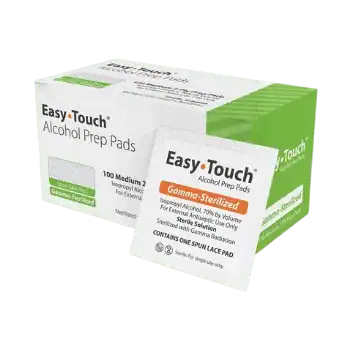
- Alcohol Swabs: One for the vial stopper + one for the injection site per injection.
- Per week: 42 swabs (2 per injection × 3 daily × 7 days)
- 12 weeks: 504 swabs → recommend 6 × 100-count boxes
Protocol Overview
Concise summary of the three-times-daily regimen.
- Goal: Stimulate pulsatile GH release to support muscle growth, fat loss, and recovery[2][7].
- Schedule: Three subcutaneous injections daily for 8–12 weeks, spaced at least 4 hours apart.
- Dose Range: 100–300 mcg per injection with gradual titration (300–900 mcg total daily).
- Reconstitution: 3.0 mL per 10 mg vial (~3.33 mg/mL) for accurate unit measurements.
- Storage: Lyophilized frozen; reconstituted refrigerated; use within 7 days.
Dosing Protocol
Suggested titration approach with multiple daily doses.
- Start: 100 mcg per injection, 3× daily (300 mcg total) for Weeks 1–2.
- Increase: 200 mcg per injection, 3× daily (600 mcg total) for Weeks 3–4.
- Target: 300 mcg per injection, 3× daily (900 mcg total) for Weeks 5–12.
- Timing: On empty stomach; space injections at least 4 hours apart; wait 30 minutes before eating.
- Cycle Length: 8–12 weeks; rotate injection sites to prevent tissue irritation.
Storage Instructions
Proper storage preserves peptide quality and potency.
- Lyophilized: Store at −20 °C (−4 °F) in dry, dark conditions with desiccant if available.
- Reconstituted: Refrigerate at 2–8 °C (35.6–46.4 °F) and use within 7 days[8].
- Avoid freeze-thaw cycles: Do not refreeze reconstituted solution; prepare aliquots if extended storage is needed.
- Allow vials to reach room temperature before opening to minimize condensation.
Important Notes
Practical considerations for consistency and safety.
- Use new sterile insulin syringes for each injection; dispose in a sharps container[9].
- Rotate injection sites systematically (abdomen, thighs, upper arms) to reduce lipohypertrophy and local irritation[10].
- Inject slowly and wait a few seconds before withdrawing the needle.
- GHRP-6 may increase appetite in some users due to its ghrelin-mimicking properties[11].
- Document daily doses, timing, and sites to maintain consistency throughout the cycle.
How This Works
GHRP-6 functions as a synthetic ghrelin mimetic by binding to the growth hormone secretagogue receptor (GHS-R1a) in the pituitary gland and hypothalamus[1][12]. This activation triggers acute, pulsatile growth hormone release from somatotroph cells while simultaneously reducing somatostatin’s inhibitory brake on GH secretion[3]. Unlike continuous GH administration, GHRP-6 maintains physiological feedback controls—as GH and IGF-1 levels rise, endogenous somatostatin increases to prevent excessive elevation, keeping GH pulses within normal physiologic ranges[5].
Beyond its endocrine effects, GHRP-6 exhibits cytoprotective properties through interactions with the CD36 receptor on immune and muscle cells[2][13]. This secondary pathway activates cell-survival signaling cascades (such as PI3K/Akt) that help protect tissues from oxidative stress and inflammation, explaining many of GHRP-6’s observed tissue-protective benefits in preclinical models including cardioprotection, neuroprotection, and anti-fibrotic effects[2][14].
Potential Benefits & Side Effects
Observations from clinical and preclinical literature.
Potential Benefits:
- Muscle Growth & Fat Loss: Elevated GH and IGF-1 levels support increased lean body mass and reduced fat mass over time[7][15].
- Enhanced Recovery: Improved sleep architecture (increased slow-wave sleep) and faster tissue repair[16].
- Appetite Stimulation: May increase hunger due to ghrelin receptor activation, potentially beneficial for weight gain goals[11].
- Tissue Protection: Preclinical studies show cytoprotective effects including reduced scar formation, cardioprotection, and neuroprotection[2][14][17].
- Joint & Connective Tissue Health: May support collagen synthesis and connective tissue repair through elevated IGF-1[7].
Potential Side Effects:
- Transient mild increases in cortisol and ACTH (typically not clinically significant)[18].
- Increased appetite and potential water retention.
- Occasional injection-site reactions (redness, itching, mild swelling).
- Possible transient dizziness or flushed feeling immediately after injection due to rapid GH spike.
- Generally well-tolerated in human trials at research doses with no major safety concerns reported[19].
Lifestyle Factors
Complementary strategies for optimizing outcomes.
- Nutrition: Maintain adequate protein intake (1.6–2.2 g/kg body weight) to support anabolic processes. Time carbohydrate and fat intake away from injections to maximize GH release[6].
- Training: Combine resistance training with moderate cardiovascular activity to leverage elevated GH/IGF-1 for muscle growth and fat oxidation.
- Sleep: Prioritize 7–9 hours of quality sleep; GHRP-6’s effects on sleep architecture may enhance recovery[16].
- Hydration: Maintain proper hydration to support metabolic processes and minimize water retention.
- Stress Management: Chronic stress can interfere with GH secretion; incorporate stress-reduction techniques.
Injection Technique
General subcutaneous guidance from clinical best-practice resources[20][21].
- Preparation: Clean the vial stopper and injection site with alcohol swabs; allow to dry completely.
- Drawing the dose: Use a new sterile insulin syringe; draw the calculated units and check for air bubbles.
- Site selection: Rotate between abdomen (2+ inches from navel), outer thighs, and upper arms. Avoid repeatedly injecting the same spot[10][22].
- Technique: Pinch a skinfold; insert needle at 45–90° angle into subcutaneous tissue (angle depends on needle length and body fat)[20][21].
- Administration: Do not aspirate for subcutaneous injections. Inject slowly and steadily; hold for a few seconds before withdrawing[20].
- Disposal: Immediately dispose of used syringes and needles in a puncture-proof sharps container. Never reuse needles[9].
Important Note
This content is intended for therapeutic educational purposes only and does not constitute medical advice, diagnosis, or treatment. GHRP-6 is intended for research purposes only. Consult qualified healthcare professionals before beginning any peptide protocol. Individual responses may vary, and proper medical supervision is essential for safety and efficacy monitoring.
References
European Journal of Endocrinology (1997)
— Growth hormone-releasing peptides: comprehensive review of GHRP mechanisms and effects
Clinical Medicine Insights: Cardiology (2017)
— Synthetic GHRPs: historical appraisal of cytoprotective effects and mechanisms
Wikipedia
— GHRP-6: structure, pharmacology, and mechanism of action overview
European Journal of Pharmaceutical Sciences (2013)
— Pharmacokinetic study of GHRP-6 in healthy male volunteers
European Journal of Endocrinology (1997)
— Pulsatile GH secretion and feedback mechanisms with GHRPs
Clinical Medicine Insights: Cardiology (2017)
— Effect of nutrient intake on GHRP-induced GH release
Sexual Medicine Reviews (2018)
— Safety and efficacy of growth hormone secretagogues
Assay Genie Product Datasheet (2021)
— GHRP-6 recombinant protein: storage and handling recommendations
CDC (2024)
— Preventing unsafe injection practices: basic injection safety guidelines
CDC (2024)
— 4 ways to take insulin: injection sites and rotation strategies
Clinical Medicine Insights: Cardiology (2017)
— Ghrelin receptor activation and orexigenic effects of GHRP-6
Wikipedia
— GHRP-6 mechanism: ghrelin receptor binding and GH secretagogue activity
Clinical Medicine Insights: Cardiology (2017)
— CD36 receptor activation and cell-survival signaling pathways
International Wound Journal (2018)
— GHRP-6 prevents cutaneous hypertrophic scarring: proteome study
Sexual Medicine Reviews (2018)
— GH secretagogues: effects on lean body mass and fat reduction
Clinical Medicine Insights: Cardiology (2017)
— GHRP effects on sleep architecture and slow-wave sleep
Clinical Medicine Insights: Cardiology (2017)
— Cardioprotective and neuroprotective effects of GHRPs in preclinical models
Clinical Medicine Insights: Cardiology (2017)
— Transient ACTH and cortisol elevation with GHRP-6 administration
Sexual Medicine Reviews (2018)
— Safety profile of growth hormone secretagogues in human trials
CDC (2024)
— Vaccine administration: subcutaneous injection technique (fact sheet)
CDC (2024)
— Vaccine administration: during vaccination best practices
Clinical Diabetes (2019)
— The injection technique factor: what you don’t know or teach can make a difference
Related research, protocols, and guides
Explore the available research context, protocol variants or comparisons, and practical guides. When vial-size variants exist, they remain separate because vial strength, concentration, and syringe-unit calculations can differ. Related compounds and blends are comparisons only, not interchangeable.
Research overview
Evidence: Dosing and safety sources are linked·Editorial standards & corrections